


Custom 3D Puff Embroidery: Adding Premium Value to Contract Headwear Orders
When a client orders branded caps, you face a choice: standard flat embroidery delivering functional execution or 3D puff embroidery creating dimensional impact that commands attention and justifies premium positioning. The difference isn't just aesthetic - it's perceived value, brand memorability, and pricing power.
Understanding when and how to recommend 3D puff embroidery services transforms routine headwear orders into premium products. The raised, tactile quality of puff embroidery elevates brand presentation, creates a distinctive appearance that stands out, and supports higher pricing that benefits both you and your clients. But puff embroidery isn't universal - certain designs work beautifully, while others challenge the technique's capabilities.
This guide breaks down what makes 3D puff embroidery premium, how to identify which clients and designs benefit most, technical considerations affecting design suitability, and how to position puff as a value-added upsell rather than a costly complication. We're talking about the strategic knowledge that helps you deliver premium products while educating clients about when dimensional embroidery enhances their brand impact.
Before recommending puff to clients, understanding what creates the dimensional effect clarifies its value proposition.
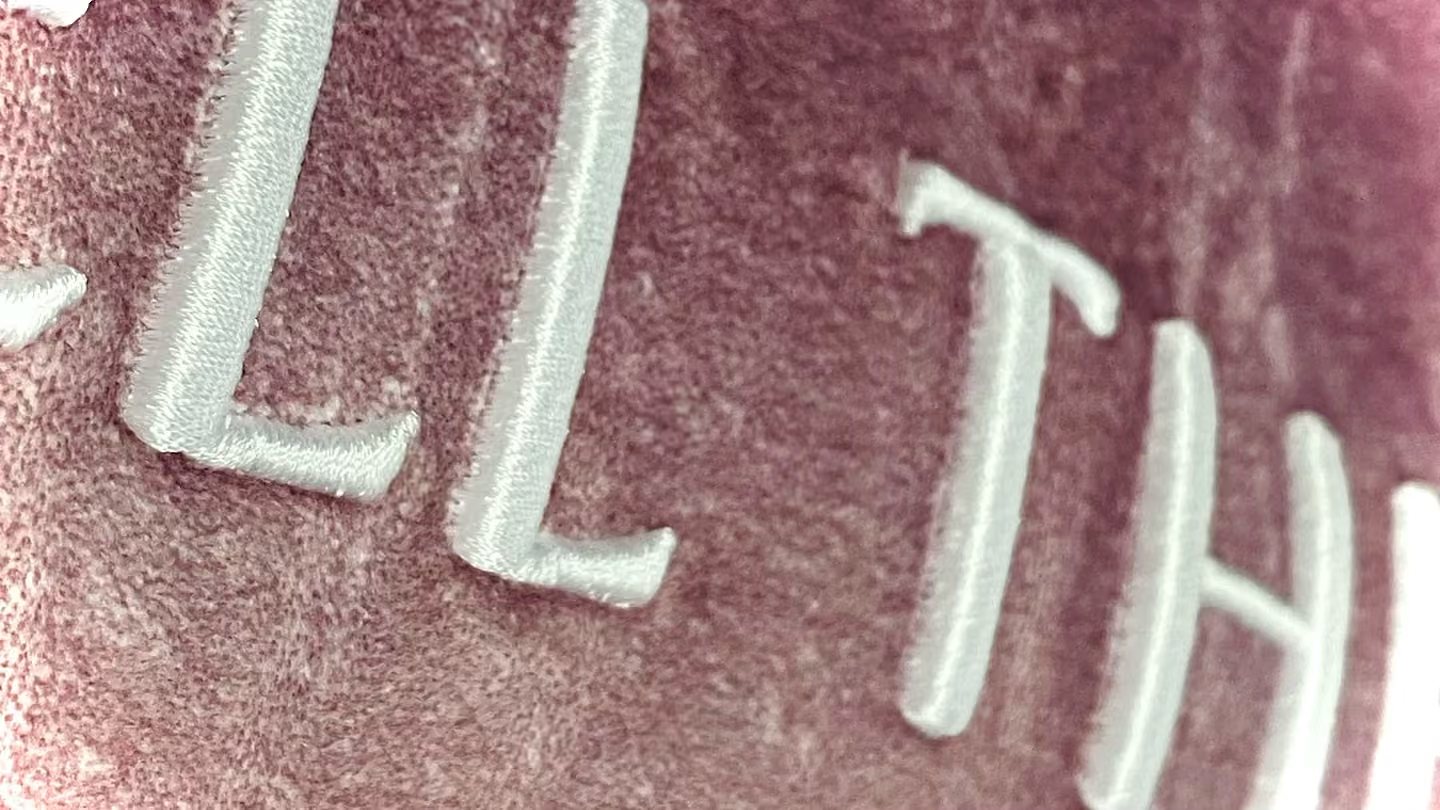
3D puff embroidery uses specialized foam material beneath embroidery thread. The foam expands during heat application, pushing embroidered elements upward to create a raised, dimensional appearance. This tactile quality differentiates puff from flat embroidery's smooth surface.
The dimensional effect draws attention and invites touch - both valuable for brand memorability.
Puff embroidery's appeal combines visual and physical dimensions. The raised surface catches light differently than flat embroidery, creating visual interest from multiple angles. The tactile quality encourages interaction - people notice and remember dimensional branding more than flat decoration.
This multisensory impact justifies premium positioning.
Dimensional embroidery signals quality and attention to detail. Products featuring puff embroidery feel more substantial and premium than flat alternatives. This perceived value supports higher pricing for both finished products and your decoration services.
For streetwear brands building premium positioning and corporate gifters wanting distinctive items, puff embroidery delivers differentiation.
Recognizing which clients value puff embroidery helps you target recommendations effectively.
Contemporary streetwear aesthetics embrace dimensional elements. Bold logos with raised dimension, signature branding creating tactile identity, and distinctive headwear standing out in saturated markets all benefit from puff embroidery.
These brands understand that premium decoration justifies premium pricing.
Companies using branded merchandise for client gifts or executive recognition want items conveying quality. 3D puff embroidery elevates standard corporate headwear into distinctive gifts that recipients actually wear.
Premium execution reflects well on gifting companies and strengthens relationships.
Athletic organizations value bold, durable branding. Puff embroidery creates dimensional team logos, provides textured detail maintaining visibility, and delivers durability through repeated wear and washing.
The dimensional effect enhances team identity and pride.
Brands launching special collections or limited releases often seek distinctive execution. Puff embroidery differentiates limited items from standard offerings, creates collectible quality that fans value, and justifies premium pricing for special releases.
Understanding technical limitations prevents recommending puff for unsuitable designs.
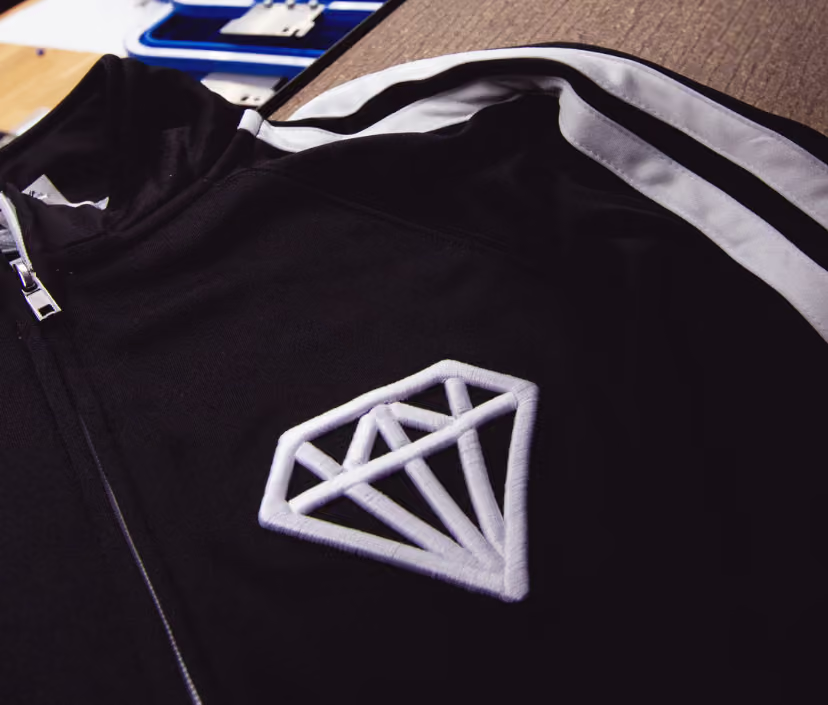
Certain design elements work exceptionally well with puff embroidery. Bold letterforms and chunky fonts maintain clarity when raised, simple graphic shapes with solid areas showcase dimensional effect, logos with substantial line weight and clear details, and designs emphasizing impact over intricate detail all suit puff embroidery perfectly.
These characteristics ensure the dimensional effect enhances rather than compromises design quality.
Some design characteristics don't translate well to dimensional embroidery. Very fine lines or thin letterforms risk getting lost, intricate details requiring precision suffer from foam expansion, script fonts with delicate serifs or flourishes, and photographic or gradient-based designs all challenge puff embroidery's capabilities.
These limitations don't mean rejecting projects - they mean guiding clients toward design modifications optimizing for dimensional execution.
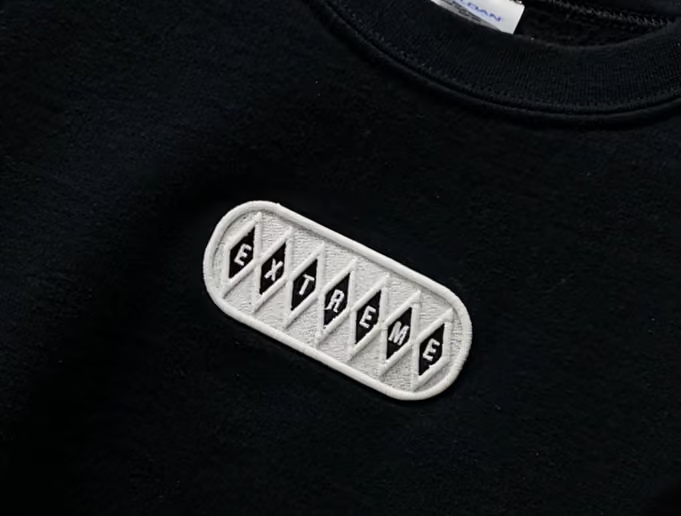
Typography significantly affects puff embroidery success. Sans-serif fonts with bold weights work exceptionally well, letterforms with substantial stroke width maintain clarity, simple geometric typefaces showcase dimension effectively, while delicate script fonts or thin condensed typefaces challenge the technique.
When clients present designs with problematic typography, recommend alternatives that preserve brand identity while optimizing for puff execution.
Existing logos may need adaptation for optimal puff embroidery. Simplifying complex elements while maintaining recognition, increasing line weights for better definition, adjusting spacing to accommodate foam expansion, and selecting specific logo elements for dimensional treatment all help optimize designs.
This collaborative approach produces better results than forcing unsuitable designs through puff execution.
Understanding production factors helps set appropriate expectations and pricing.
The foam material beneath the embroidery determines dimensional height and durability. Different foam weights create varying degrees of dimension. Proper application ensures consistent expansion and secure attachment.
Professional embroidery operations understand foam selection for different design requirements and headwear applications.
Puff embroidery requires appropriate thread coverage for a clean dimensional appearance. Too little thread coverage allows foam to show through, while excessive density can affect dimensional effect and fabric integrity.
Experienced embroiderers balance coverage for optimal appearance and durability.
Dimensional embroidery placement on headwear requires consideration of cap structure and wearing appearance. Standard placements work well, but the dimensional effect may affect how designs interact with cap shaping and seams.
Understanding these relationships ensures that dimensional elements enhance rather than complicate design execution.
Properly executed puff embroidery provides excellent durability through wear and washing. Quality foam materials maintain dimension, thread coverage protects foam integrity, and professional execution ensures a long-lasting appearance.
This durability justifies premium pricing through lasting quality.
How you present puff embroidery affects client receptiveness and project value.
Frame puff embroidery through value delivered, not just cost added. Dimensional impact creating memorable branding, premium quality elevating product positioning, and differentiation from standard decorated headwear all justify investment.
This value framing helps clients understand the return on decoration investment.
Show clients the difference between flat and dimensional embroidery through physical samples. The tactile experience sells puff embroidery more effectively than descriptions.
Side-by-side comparison demonstrates premium positioning and impact.
Dimensional embroidery costs more than flat stitching due to specialized materials, additional production complexity, and expertise required. Frame pricing through value delivered rather than just cost comparison.
Clients pursuing premium positioning understand appropriate investment for quality execution.
Different applications benefit from puff embroidery differently. For streetwear releases, dimensional contract embroidery creates a distinctive product line identity. For corporate gifts, premium execution reflects company quality standards. For sports teams, bold dimensional logos enhance team pride and visibility.
Tailoring recommendations to specific applications demonstrates understanding of client needs.
Recognizing typical problems helps you guide clients proactively.
When clients present designs with fine details, discuss modification strategies. Simplifying intricate elements while maintaining brand recognition, selecting specific design components for dimensional treatment, or combining puff embroidery with flat stitching for complex designs all solve detail challenges.
Very small text doesn't work well with puff embroidery. Recommend minimum text sizes for dimensional execution, suggest alternative approaches for small text elements, or propose design layouts separating dimensional and flat elements.
Designs with numerous elements require strategic decisions about what receives dimensional treatment. Not every element needs to be raised - selective use of puff embroidery for key brand elements creates focal points while maintaining overall design integrity.
Foam material typically comes in limited colors. Thread coverage must completely conceal foam, which affects color selection and design execution. Light thread colors on dark foam may require additional coverage affecting dimensional appearance.
Understanding these relationships helps manage color expectations.
Clear communication prevents misunderstandings and enhances client satisfaction.
Explain what puff embroidery achieves and its limitations honestly. Demonstrate through samples when possible, discuss design suitability frankly, and recommend modifications improving results rather than accepting unsuitable designs.
This honest approach builds trust and prevents disappointment.
For dimensional embroidery projects, physical samples prove particularly valuable. Clients should see and feel actual puff embroidery on similar headwear before full production.
This tactile approval prevents surprises about dimensional appearance.
Review client designs for puff suitability before production. Identify potential challenges early, recommend optimizations improving execution, and collaborate on modifications when necessary.
Proactive design review prevents production problems.
Understanding production factors ensures reliable execution.
Different headwear materials accept dimensional embroidery differently. Structured caps with firm front panels work excellently, while very soft or stretchy materials may challenge dimensional appearance. Understanding material compatibility guides headwear selection.
Dimensional embroidery involves additional production steps compared to flat stitching. Account for appropriate timelines in project planning, communicate realistic schedules to clients, and avoid over-promising on tight deadlines.
Define quality expectations for puff embroidery clearly. Dimensional height consistency, thread coverage completeness, clean edge definition, and overall appearance standards all factor into quality assessment.
Clear standards ensure consistent execution.
3D puff embroidery services transform standard headwear into premium products commanding attention and higher perceived value. Understanding when dimensional embroidery enhances designs versus when limitations apply helps you guide clients toward successful outcomes. The key is recognizing that puff embroidery isn't universal - it's a strategic premium option for designs and applications where dimensional impact delivers measurable value.
Ready to elevate headwear with a premium dimension? Contact our team to discuss 3D puff embroidery capabilities and explore how dimensional embroidery creates premium value for your headwear projects.
Bold, simple designs with substantial line weight work exceptionally well with 3D puff embroidery. Sans-serif typography in medium to bold weights maintains clarity when raised, chunky logos and graphic elements showcase dimensional effect effectively, and designs emphasizing impact over intricate detail translate beautifully. The foam expansion and dimensional nature favor designs with clean, substantial forms rather than delicate details. Script fonts with thin strokes, very fine lines, or highly detailed photographic elements challenge puff embroidery capabilities. When evaluating design suitability, consider whether key brand elements have enough substance to maintain recognition and clarity when raised. Clients often need guidance adapting existing designs for optimal dimensional execution - this might mean simplifying complex elements, increasing line weights, or selecting specific logo components for puff treatment while keeping other elements as flat embroidery.
3D puff embroidery commands premium pricing compared to flat embroidery due to specialized foam materials, additional production complexity, and expertise required for quality dimensional execution. While specific pricing varies by project complexity and quantities, frame the value through dimensional impact creating memorable branding, premium quality elevating product positioning, and differentiation justifying higher retail pricing. For streetwear brands and premium corporate gifters, the perceived value increase from dimensional embroidery often exceeds the decoration cost difference. The tactile, attention-getting quality of raised embroidery creates brand memorability that flat decoration can't match. When discussing pricing with clients, focus on return on investment through enhanced brand impact rather than just cost comparison. Physical samples demonstrating the difference between flat and dimensional embroidery help justify premium pricing through tangible quality demonstration.
Not every logo translates well to dimensional embroidery without modification. Logos with bold, simple elements work beautifully, while highly detailed, photographic, or script-based logos may require adaptation. The key is evaluating logo characteristics against puff embroidery strengths - substantial line weight, clear shapes, and bold forms all suit dimensional treatment. Very fine details, delicate serifs, intricate patterns, or gradient-based elements challenge the technique. This doesn't mean rejecting projects - it means collaborating with clients to adapt designs for optimal dimensional execution. Strategies include simplifying complex elements while maintaining brand recognition, increasing line weights for better definition, selecting specific logo components for dimensional treatment, or combining puff embroidery with flat stitching for multi-element designs. Professional guidance helps clients understand these adaptations as optimization rather than compromise, producing results that maintain brand identity while leveraging dimensional embroidery's premium impact.
Properly executed 3D puff embroidery provides excellent durability through repeated wear and washing. Quality foam materials maintain dimensional height over time, professional thread coverage protects foam integrity, and expert execution ensures secure attachment withstanding normal headwear use. The durability matches or exceeds flat embroidery when executed by experienced operations using appropriate materials. This lasting quality justifies premium pricing through products that maintain appearance throughout their useful life. Care instructions remain standard - machine washing and air drying work fine for properly embroidered caps. The dimensional foam is specifically designed for apparel applications and handles typical washing without degrading. This durability particularly matters for corporate gifting where recipients use items regularly, and for streetwear brands where customers expect quality matching premium positioning. The combination of visual impact and long-lasting durability makes puff embroidery a smart investment for clients pursuing premium headwear positioning.
Recommend flat embroidery when design characteristics don't suit dimensional execution or when clients prioritize different factors over dimensional impact. Designs with very fine details, delicate typography, intricate patterns, or photographic elements execute better as flat embroidery. Applications requiring subtle branding rather than bold dimensional impact work better flat. Budget-conscious projects where decoration cost significantly impacts overall economics may not justify puff embroidery premium. Very small text or logos below minimum effective sizes for dimensional execution need flat stitching. The key is matching decoration technique to design characteristics and project goals rather than defaulting to dimensional embroidery regardless of suitability. Sometimes combining both techniques works best - dimensional treatment for primary brand elements with flat embroidery for supporting details. Honest assessment of what works best for specific projects builds client trust more than pushing premium options inappropriate for their needs. Strategic recommendation of puff embroidery for suitable projects establishes you as a consultative partner rather than just an order-taker.

