


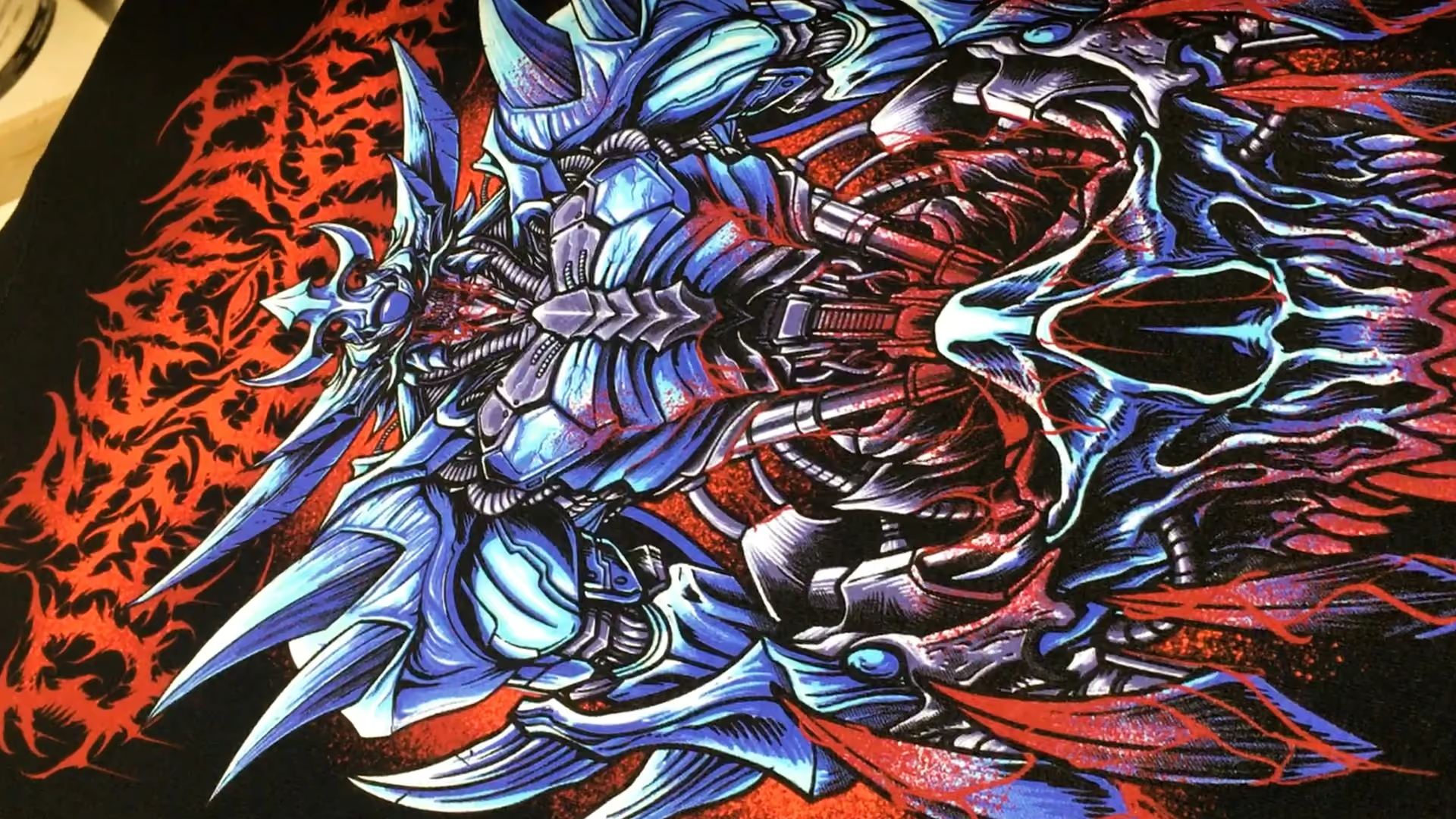
As a clothing designer or brand owner working on sophisticated apparel concepts, you've likely encountered frustrating limitations with traditional screen-printing methods. Your vision demands multiple textures, varied finishes, and complex dimensional effects that single-technique printing simply cannot deliver. This is where hybrid screen printing transforms the realm of possibility, opening doors to design excellence that sets your brand apart in competitive markets.
Hybrid screen printing represents the pinnacle of apparel decoration expertise, combining the unique properties of multiple ink types within a single design. This advanced hybrid printing technique requires 15+ years of technical mastery, precision equipment with 0.5mm registration tolerance, and climate-controlled facilities maintaining 68-72°F and 45-55% humidity. The investment in such sophistication delivers results impossible through conventional methods, creating premium positioning that commands 30-50% higher pricing in the marketplace.
For designers seeking to push creative boundaries and brand owners who refuse to compromise on quality, understanding combination screen printing becomes essential for making informed production decisions. This comprehensive guide reveals when multi-method printing solves specific design problems, creates effects unattainable through single methods, and provides the technical foundation your brand needs for premium market positioning.
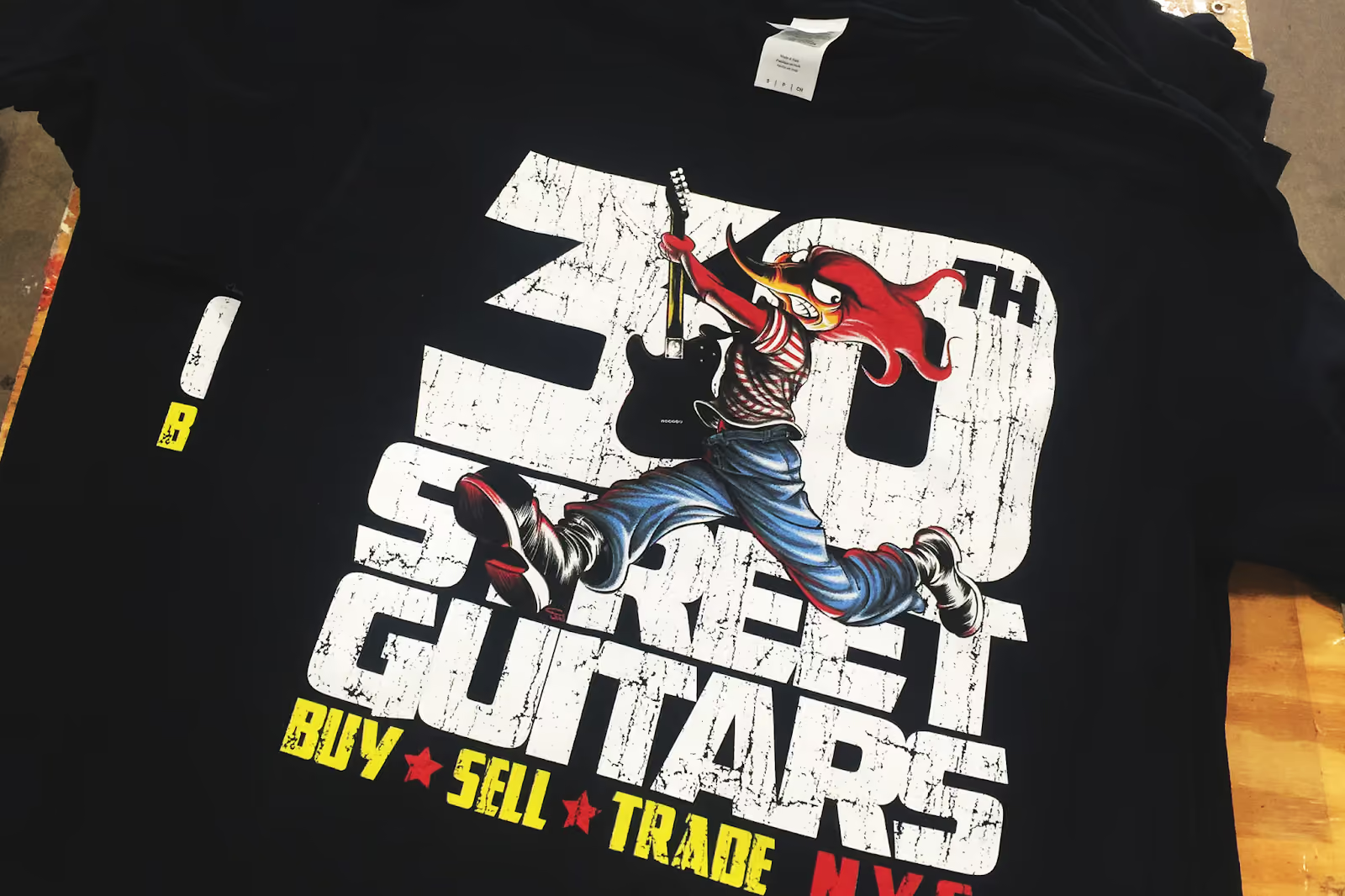
Hybrid screen printing represents the most sophisticated approach to apparel decoration, combining multiple ink types within a single design to achieve effects that traditional single-method printing cannot replicate. This advanced screen printing technique goes beyond standard methods by strategically employing the unique properties of plastisol, discharge, and water-based inks. The result transforms ordinary garments into extraordinary pieces that command attention and justify premium positioning in competitive markets.
The distinction between the hybrid printing technique and traditional printing lies in the intentional layering of different ink chemistries to create multidimensional effects. Where conventional printing might use a single ink type throughout an entire design, combination screen printing strategically places discharge inks for soft, vintage-feeling bases, water-based inks for transparent overlays, and plastisol for opaque highlights and special effects. This combination approach requires micro-registration systems maintaining a 0.5mm tolerance throughout production—far more precise than standard screen-printing tolerances.
Mastering hybrid screen printing requires a deep understanding of how three distinct ink chemistries complement each other within a single design. Plastisol inks cure at 310-320°F for 30-45 seconds, creating opaque coverage with raised details and special effects like puff, metallic, or fluorescent applications. These inks excel at creating dimensional elements that stand out from fabric surfaces, making them ideal for highlights, focal points, and text that demands attention. Plastisol's durability extends to 100+ washes, though surface cracking may develop over time—an acceptable trade-off for its superior opacity and special effects capabilities.
Discharge inks operate through completely different chemistry, activating at 320-330°F for 45-60 seconds to remove fabric dye and deposit color simultaneously. This process creates prints that become part of the fabric itself, delivering the soft, vintage feel that premium brands demand. Discharge prints withstand 50+ commercial washes with minimal fading, maintaining their premium appearance far longer than surface-level printing methods. The chemistry works best on 100% cotton fabrics with reactive dyes, requiring expertise in undertone compensation to achieve accurate color reproduction.
Water-based inks complete the hybrid printing technique trifecta, curing at 300-320°F to create transparent effects and breathable prints that integrate seamlessly with fabric textures. These inks excel at creating subtle overlays, see-through layers, and eco-friendly options that appeal to environmentally conscious consumers. While water-based inks offer 30-40 washes before noticeable color loss on dark fabrics, their unique transparency makes them invaluable for creating depth and dimension in combination with screen printing, a quality other ink types cannot achieve.
Sophisticated design concepts often demand textural variety that single-method printing cannot deliver. Hybrid screen printing excels when artwork requires both soft vintage elements and crisp, modern details within the same composition. Consider premium streetwear designs that combine distressed, broken-down effects with sharp brand logos—discharge inks create the worn, authentic base, while plastisol provides the pristine, attention-grabbing branding elements. This textural contrast creates visual interest and tactile experiences that elevate garments from ordinary products to coveted fashion pieces.
Brand logos with mixed finish requirements represent another perfect application for advanced screen printing techniques. Corporate apparel programs often demand sophisticated brand presentation that cannot be achieved through a single method. Through our professional screen printing services, including specialized custom embroidery services for premium branding, imagine a polo shirt where the primary logo appears soft and integrated through discharge printing. At the same time, accent elements receive the dimensional treatment of plastisol inks, and subtle water-based overlays add depth without bulk. This combination screen-printing approach creates premium business apparel that conveys sophistication and attention to detail.
Photorealistic designs present unique challenges that hybrid screen printing solves through strategic ink combination. Simulated process printing provides the base layer for complex images, but advanced screen printing techniques elevate these reproductions from flat representations to multidimensional artworks. Discharge inks create soft, integrated foundations that allow images to breathe with fabric texture. At the same time, water-based transparent overlays add depth and dimension, making images appear to recede or advance within the composition. Plastisol highlights provide focal points and accents that draw the viewer's eye to critical elements, creating hierarchy within complex visual compositions.
High-end fashion collections increasingly rely on a hybrid printing technique to justify premium positioning and create collectible value. Limited edition drops, in particular, benefit from the unique tactile and visual experiences that combination screen printing offers. When customers pay premium prices for exclusive items, they expect extraordinary quality and attention to detail—exactly what hybrid printing services deliver through multiple ink combinations and sophisticated textural variety.
Successful hybrid screen printing demands substantial infrastructure investment, beginning with ROQ automatic presses equipped with direct-to-screen technology. These sophisticated presses feature micro-registration systems that maintain a 0.5mm tolerance—essential precision when layering different ink types that must align perfectly across multiple production stages. The investment in 4+ automatic presses becomes necessary not just for capacity but for consistency across production runs.
Multi-zone conveyor dryers with precise temperature controls represent another critical infrastructure component. Different ink types require specific curing temperatures: plastisol at 310-320°F, discharge at 320-330°F, and water-based at 300-320°F. Multi-zone systems allow sequential curing at appropriate temperatures without overheating previously printed layers or under-curing subsequent applications.
Climate-controlled facilities maintaining 68-72°F and 45-55% humidity create the foundation for consistent combination screen printing. These environmental controls prevent variations in ink chemistry caused by temperature or humidity fluctuations, ensuring predictable results regardless of external conditions.
Hybrid screen printing workflow management requires sophisticated coordination that extends far beyond standard single-method production. The process begins with multiple screen preparations for each ink type used in the design. Unlike single-method printing, which might require 4-6 screens for a complex design, hybrid printing technique projects can easily require 8-12 screens or more, accounting for each ink type's specific requirements and the separation needed between different ink chemistries.
Registration sequence and alignment precision become the most critical workflow elements. Each ink type must be applied in a specific order that accounts for curing temperatures and potential interactions among different ink chemistries. The 0.5mm tolerance requirement applies to all layers, meaning that the registration precision established in the first layer must be maintained in subsequent layers without deviation.
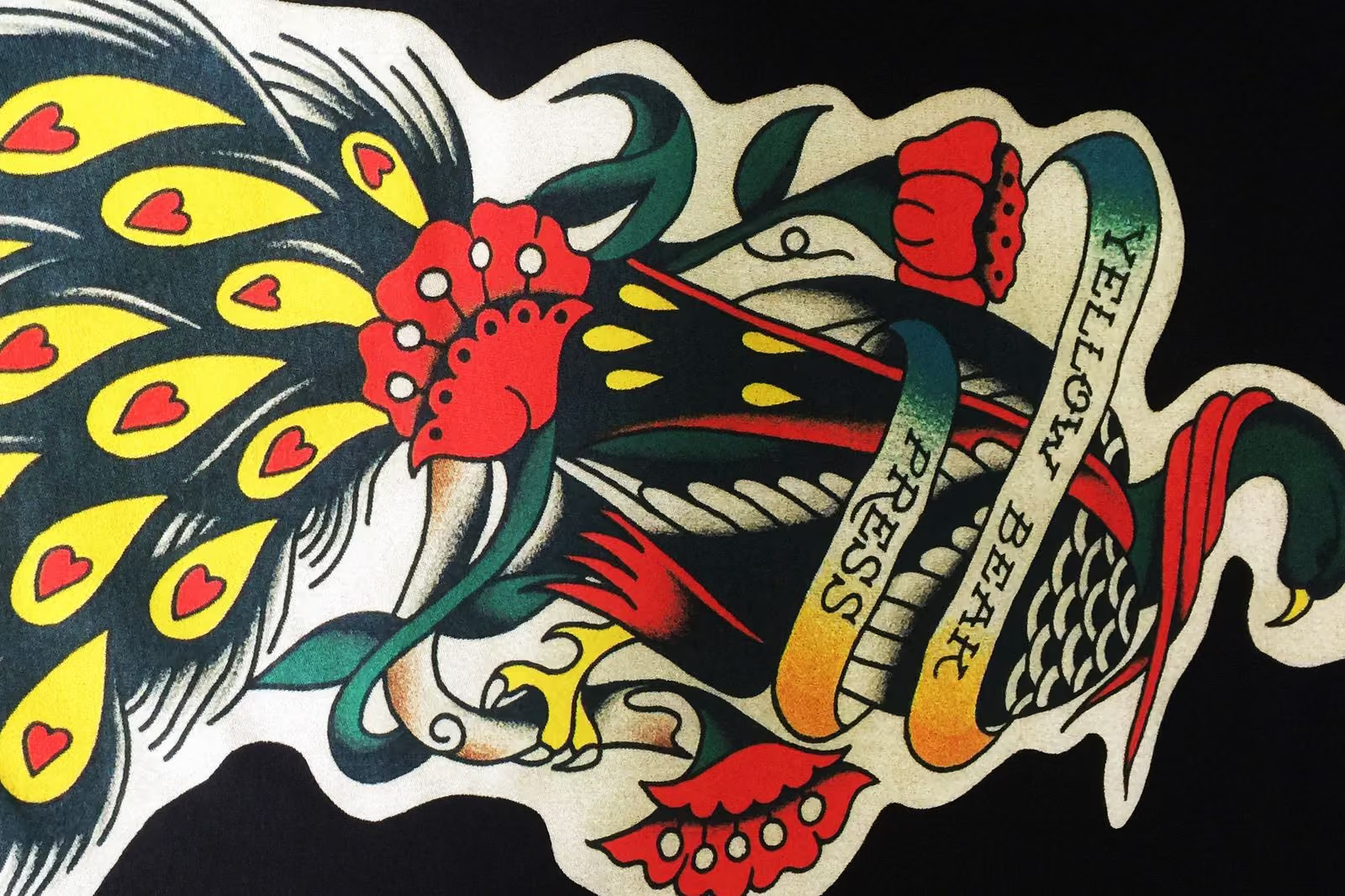
The 30-50% premium that hybrid screen printing commands over single-method alternatives reflects substantial additional complexity and expertise requirements. This premium encompasses multiple cost factors: specialized equipment investments, extended production time, advanced technical expertise, and higher material costs for various ink types. Professional operations justify this premium through demonstrably superior results that create competitive advantages for clients willing to invest in exceptional quality.
Several factors influence service costs, with hybrid printing services' costs within the 30-50% premium range. Design complexity represents the primary variable—designs requiring more color separations, more intricate registration, or more specialized techniques command higher premiums within the range. Order quantity affects the pricing structure as well; while advanced screen printing minimum orders start at 50 pieces, optimal pricing emerges between 100 and 200 pieces, where setup costs are distributed across more units.
The 3-4 week standard turnaround for hybrid screen printing projects reflects the additional complexity and coordination required for premium results. This timeline begins with design preparation and separation, which typically takes 3-5 business days for complex hybrid printing services projects. Multiple ink types require more sophisticated color separation, with each ink type requiring its own layer files and registration marks.
Rush production options remain available for urgent advanced screen printing needs, though the 20-30% premium for expedited service reflects the specialized coordination required. Professional operations can achieve a 48-hour express turnaround for simple multi-method printing projects, but complex designs may require slightly longer, even with rush scheduling.
What makes hybrid screen printing different from regular screen printing?
Hybrid screen printing combines multiple ink types (plastisol, discharge, water-based) within a single design, whereas regular screen printing typically uses a single ink type throughout. This combination screen-printing approach creates effects impossible with single methods: soft, vintage bases from discharge, transparent overlays from water-based inks, and dimensional highlights from plastisol. The process requires 0.5mm registration precision, climate-controlled facilities, and 15+ years of technical expertise to execute correctly, justifying the 30-50% premium pricing that multi-method printing commands.
When should I choose hybrid printing over standard methods?
Choose hybrid printing services when your design requires multiple textures, varied finishes, or complex dimensional effects that single methods cannot achieve. Typical scenarios include photorealistic images that require depth, premium brand collections that require sophistication, designs that combine vintage and modern elements, and situations where competitive differentiation through quality is essential. The 50-piece minimum order and 3-4 week production timeline require planning, but the premium results justify investment for brands positioned to leverage advanced screen printing's unique capabilities.
What types of designs work best with hybrid printing?
Designs with textural variety, complex color requirements, or multiple visual effects work best with hybrid screen printing techniques. Photorealistic portraits, vintage-style branding with modern accents, corporate apparel that needs subtle sophistication, and artistic designs that require painterly effects all benefit from combination screen printing. The key is design complexity that demands more than one ink type can achieve alone—simpler designs may not justify multi-method printing's premium positioning.
How does hybrid printing affect garment feel and durability?
Hybrid screen printing typically creates a premium hand-feel through strategic ink combination: discharge bases integrate with fabric for softness, water-based inks add breathability, and plastisol provides dimensional accents without overwhelming comfort. Durability varies by ink type, but overall hybrid printing service projects maintain excellent wash characteristics—discharge withstands 50+ washes, water-based inks 30-40 washes, and plastisol 100+ washes. The combination screen-printing approach often outperforms single-method approaches by using each ink type where it performs best.
What's the minimum order quantity for hybrid printing?
Multi-method printing requires a 50-piece minimum order due to the complexity of setup and specialized equipment requirements. Optimal quantities fall between 100 and 200 pieces, where setup costs are distributed efficiently across production units. The premium pricing (30-50% over single-method) applies regardless of quantity, though per-unit costs decrease at higher amounts. Professional operations recommend planning 3-4 weeks for advanced screen printing projects to ensure optimal results without rush charges.
How do I prepare designs for hybrid printing?
Prepare vector artwork with separate layers for each ink type, including registration marks for precise alignment. Each ink type requires independent color channels with undertone compensation, particularly for discharge printing, which interacts with fabric dye. Professional hybrid screen printing printers typically provide specific templates and guidelines for file preparation, including resolution requirements (300+ DPI), minimum stroke weights, and color separation specifications. Working closely with your printer during design preparation prevents common problems and ensures optimal hybrid printing services results.
What are the most common applications for hybrid screen printing? Premium streetwear, high-end fashion collections, corporate executive apparel, band merchandise, limited edition drops, photorealistic portraits, artistic reproductions, and trade show materials all benefit from hybrid screen printing's ability to create sophisticated multi-textural effects.
How does hybrid printing compare cost-wise to other premium decoration methods? Hybrid screen printing typically costs 30-50% more than single-method screen printing but remains more cost-effective than embroidery for large designs. The premium positioning justifies higher retail prices (20-50% above standard), making it economically viable for premium brands.
Can hybrid printing be combined with embroidery or other decoration methods? Yes, hybrid screen printing works excellently with embroidery combinations. Use multi-method printing for large design areas and embroidery for logos, text, or accent elements. This creates premium multi-decorated pieces that command top prices in specialty markets.
What fabric types work best with hybrid screen printing techniques? 100% cotton provides optimal results for discharge-based hybrid printing. Cotton/polyester blends work well with plastisol and water-based combinations. Pure polyester limits discharge options but still enables sophisticated combination screen printing with other ink types.
How long do hybrid screen-printed garments last compared to other methods? Durability varies by ink type within the same garment. Discharge elements withstand 50+ washes, water-based inks withstand 30-40 washes, and plastisol inks withstand 100+ washes. Overall, hybrid screen printing garments typically maintain a premium appearance longer than single-method alternatives due to optimized ink placement.
Hybrid screen printing represents the pinnacle of apparel decoration technology, combining multiple ink types within single designs to achieve effects that traditional single-method printing cannot replicate. This advanced hybrid printing technique demands substantial investment in specialized equipment, climate-controlled facilities, and technical expertise spanning 15+ years of printing experience. The resulting capabilities—textural variety, dimensional effects, and sophisticated aesthetic combinations—create premium positioning that justifies 30-50% higher pricing in competitive markets.
For clothing designers working on complex designs and brand owners who refuse to compromise on quality, combination screen printing opens creative possibilities that transform ordinary garments into extraordinary pieces. The technical requirements—including 0.5mm registration precision, multiple curing sequences, and sophisticated color separation—create natural barriers to entry that separate professional operations from hobby shops. This expertise becomes your competitive advantage when seeking to differentiate your brand through exceptional quality and unique multi-method printing capabilities.
Extreme Screen Prints combines 15+ years of hybrid screen printing expertise with state-of-the-art equipment, including ROQ automatic presses, climate-controlled facilities maintaining 68-72°F, and multi-zone conveyor dryers for precise curing control. Our 95% customer satisfaction rate and 95%+ on-time delivery record demonstrate consistent quality across all technical complexities. We understand how to reveal design possibilities that you may not know exist, transforming your creative vision into premium apparel that commands attention and justifies investment.
Call (616) 202-1133 to discuss your hybrid printing services project with our technical specialists. We'll evaluate your design requirements, explain how advanced screen printing techniques can enhance your concept, and provide detailed recommendations for optimal results. Request your hybrid screen printing quote to explore how professional combination screen printing can elevate your brand and create apparel that stands out in competitive markets.


