


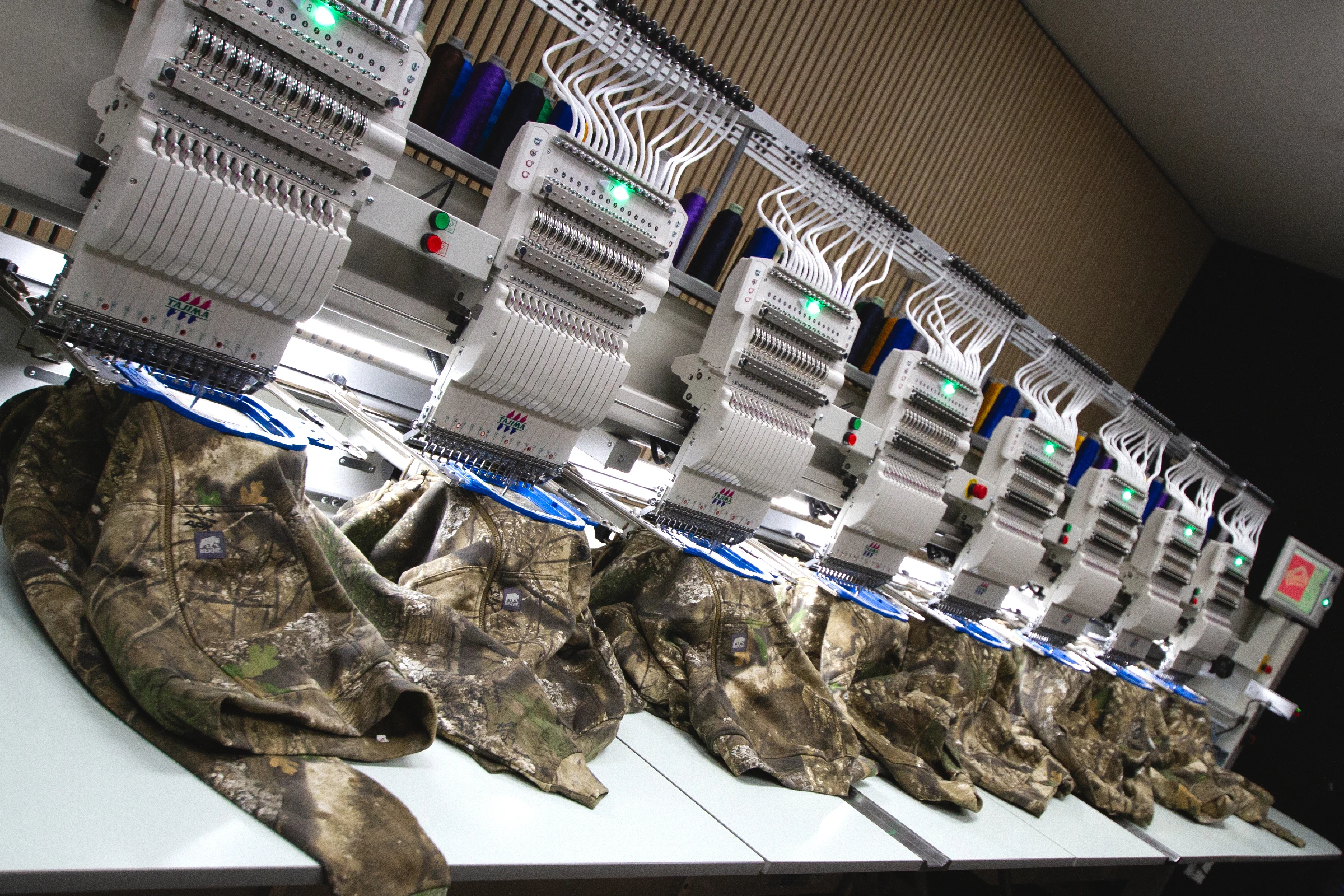
Walk through any music venue merch table today, and you'll notice something different from five years ago. Sure, there are still band tees - but sharing space are embroidered dad hats, stitched beanies, and hoodies with subtle embroidered logos that look more streetwear than standard tour merch.
This shift isn't random. Music merchandisers and label execs are discovering that music merch embroidery opens product categories, price points, and aesthetic possibilities that screen-printed tees alone can't deliver. Fans want variety. Artists want products reflecting their evolved brand identities. And the economics make sense when you understand how contract embroidery scales.
This guide explores why embroidery is having its moment in music merch, which product categories are driving sales, and how smart merchandisers are leveraging contract services to expand offerings without operational complexity. We're talking about the market trends reshaping what successful music merchandise looks like today.
Understanding the embroidery trend requires context about how music merch has evolved.
For decades, music merch followed predictable patterns. Black tees with bold graphics dominated. Maybe some hoodies. Occasionally, posters or accessories. The model worked because screen printing scales efficiently, tees have universal appeal, and the economics were understood.
But this approach left money on the table. Fans who don't wear graphic tees walked past merch tables. Artists with sophisticated brand aesthetics struggled to fit their identity into bold print designs. And in an era where streetwear and high fashion influence mainstream style, traditional band merch started feeling dated.
Several cultural shifts created space for embroidery's rise in music merchandise.
Streetwear influence on music fashion - Artists from hip-hop, alternative, and even pop genres increasingly align with streetwear aesthetics, where subtle branding and quality construction matter more than loud graphics.
Premium product expectations - Fans accustomed to elevated casual wear expect better quality and more sophisticated presentation than basic screen-printed tees provide.
Diverse fan demographics - Music audiences span age ranges, style preferences, and occasions. A professional attending a show wants merch they can actually wear to work the next week.
Artist brand maturation - Established artists develop sophisticated brand identities extending beyond music into lifestyle. Their merch needs to reflect that evolution.
Social media aesthetics - Products that photograph well for Instagram and TikTok generate organic promotion. Embroidered items often photograph more interestingly than flat print graphics.
Embroidery aligns perfectly with these shifts. The dimensional texture creates visual interest in photos. The subtle branding works for fans wanting to signal their tastes without wearing obvious band logos. The premium feel justifies higher price points. And the variety of product categories opens new revenue streams.
Music merchandisers recognizing these trends are expanding beyond traditional print-heavy offerings into embroidered products that resonate with contemporary style sensibilities.
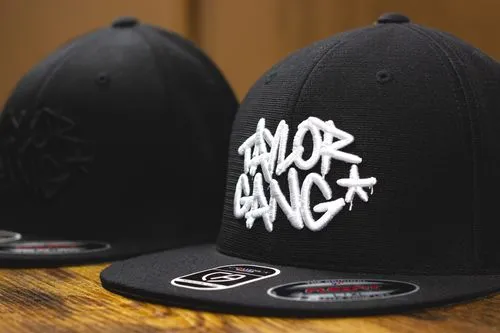
Specific product types are leading embroidery adoption in music merch.
Embroidered headwear has become arguably the hottest music merch category. Dad hats - unstructured six-panel caps with curved brims - pair perfectly with embroidered logos or graphics.
The aesthetic works because embroidery on caps looks inherently more premium than screen printing. The construction feels quality. And hats have near-universal appeal across demographics - they're wearable by fans of any age or style.
Artists are moving beyond simple logo embroidery into more creative applications. Small embroidered graphics on cap sides. Text wrapping around brims. Multicolor designs that would be complex as screen prints but execute beautifully in embroidery.
The price points work too. Fans accept premium pricing for quality embroidered caps because the perceived value is clear.
Embroidered beanies represent another fast-growing category. The chunky knit fabric provides a perfect substrate for embroidered patches or direct embroidery.
Seasonal relevance creates urgency - fans buy beanies during tour season even if it's not winter because availability feels limited. And beanies photograph exceptionally well for social media, creating organic promotion when fans share photos.
Artists leverage beanies for subtle branding that fits streetwear aesthetics. Small embroidered logos, artist names in interesting fonts, or symbolic graphics that fans recognize create a connection without overwhelming the product.
While hoodies have long been merch staples, embroidery elevates them from basic tour items to premium pieces. Embroidered chest logos, sleeve details, or back graphics create sophisticated looks that screen printing can't match.
The trend toward elevated casual wear makes premium embroidered hoodies particularly relevant. Fans wear them regularly rather than just as obvious music merch, extending brand visibility beyond concerts and music contexts.
Merchandisers are combining embroidery with screen printing strategically - embroidered logos on the chest with larger screen-printed graphics on the back, for example. This mixed decoration creates visual interest and perceived value, justifying premium pricing.
Higher-end music merch is embracing embroidered outerwear. Varsity jackets with chenille patches, bomber jackets with embroidered details, and other outerwear create premium product tiers.
These items command significantly higher price points than tees or even standard hoodies. For established artists with dedicated fan bases, premium outerwear generates substantial per-unit revenue while elevating brand perception.
Embroidery extends beyond wearable items. Embroidered patches that fans can apply to their own jackets or bags. Embroidered tote bags. Even items like embroidered blankets or pillows for dedicated superfans.
These categories expand merch offerings into lifestyle products, creating more touchpoints for artist brands.
The operational realities of music merchandise make contract embroidery services particularly valuable.
Music merch operates on challenging timelines. Tours launch quickly. Demand fluctuates unpredictably. Inventory needs to ship to different venues on tight schedules.
Contract embroidery services provide production flexibility without requiring merchandisers to own equipment, maintain staff, or manage capacity for unpredictable volume patterns.
Partners can produce embroidered items on demand, ship directly to tour dates, and adjust production based on what's selling rather than requiring massive upfront inventory commitments.
When exploring new product categories or designs, contract services minimize financial risk. Test embroidered dad hats or beanies with moderate initial orders. If they sell well, reorder quickly. If they don't resonate, you haven't invested in equipment or a large inventory.
This flexibility encourages merchandisers to experiment with different products and aesthetics, finding what resonates with specific artist fan bases.
Music merch involves frequent reorders as initial inventory sells. Embroidery quality needs to match across all production runs - fans purchasing items months apart expect identical products.
Professional contract partners maintain systematic quality control, ensuring consistent execution across reorders. They store artwork files and production specifications, enabling accurate reproduction over time.
Merch companies managing multiple artists need production partners who can handle diverse concurrent projects without confusion.
Professional contract services maintain organized systems, keeping each artist's products, artwork, and specifications separate. This organization prevents the mixing or quality variations that would damage artist brands.
When artists break through or releases generate unexpected demand, merch needs to scale quickly. Contract partners with adequate capacity can increase production without the delays inherent in equipment acquisition or staff expansion.
This scalability captures demand during peak moments when fan enthusiasm is highest, and sales potential maximizes.
Understanding the financial dynamics helps merchandisers evaluate embroidery opportunities.
Embroidered products command higher retail prices than comparable screen-printed items. Fans perceive embroidery as premium decoration, justifying the increased cost.
An embroidered dad hat retails higher than a screen-printed tee, often with better margins. Premium embroidered hoodies justify price points that would seem excessive for basic printed versions.
This pricing power improves per-transaction revenue, potentially offsetting lower sales volume compared to standard tees.
While embroidered items may have higher per-unit production costs than screen printing, the total economics often favor embroidery when factoring in retail pricing, perceived value, and margin structure.
Additionally, embroidered products often have longer sales cycles than trend-dependent graphic tees. A well-designed embroidered cap remains relevant across multiple tours or album cycles.
Relying solely on printed tees concentrates revenue in a single category, making it vulnerable to style shifts or market saturation. Embroidered products diversify offerings, spreading risk across categories and price points.
Some fans buy embroidered items who would never purchase graphic tees. This diversification expands the total addressable market rather than just redistributing existing sales.
Embroidered beanies create seasonal selling opportunities. Caps work year-round. Embroidered hoodies span seasons. This variety smooths revenue across the year rather than concentrating sales around specific tours or releases.
Beyond economics, embroidery opens creative directions that resonate with contemporary music culture.
Modern fans often prefer subtle artist representation over loud logos. Small embroidered signatures, symbolic graphics fans recognize, or text treatments create a connection without overwhelming the product.
These items photograph better for social media, generating organic promotion when fans share their style. The dimensional quality of embroidery creates visual interest in photos that flat prints can't match.
Artists drawing from hip-hop, skateboarding, or contemporary fashion benefit from embroidery's natural fit with streetwear aesthetics. Embroidered patches, small chest logos, and quality construction align with style influences shaping music culture.
This alignment helps artist merchandise feel current rather than dated or disconnected from broader fashion trends.
Smart merchandisers combine embroidery with screen printing strategically. Embroidered chest logos paired with screen-printed back graphics. Embroidered sleeve details on printed hoodies. These mixed approaches create visual complexity and perceived value.
Contract services offering both decoration types simplify coordination, ensuring consistent quality and streamlined production.
As artists mature and their audiences age, merch needs to evolve beyond youthful graphic tees. Embroidered products support premium positioning that reflects the artist's brand maturation.
Established artists can offer embroidered outerwear, sophisticated accessories, and elevated basics that serve fans wanting merchandise appropriate for their life stage and style.
Moving embroidery from concept to a successful product line requires strategic execution.
Begin embroidery expansion with proven categories rather than experimental products. Embroidered dad hats and beanies have demonstrated market appeal across music genres.
Test these categories with moderate initial orders, evaluate sales performance, and expand successful items before exploring more adventurous product types.
Not every artist's brand suits embroidery equally. Consider the artist's aesthetic, fan demographics, and existing merch performance when deciding embroidery fit.
Artists with sophisticated visual identities, older fan bases, or streetwear-influenced aesthetics typically see stronger embroidered product performance than those whose brands center on bold graphic styles.
Embroidery works best with certain design characteristics. Simple logos and text execute cleanly. Bold, clean graphics translate well. Subtle details and texture create interest.
Complex photorealistic designs or very fine details challenge embroidery execution. Work within decoration method strengths rather than trying to replicate screen print aesthetics.
Research competitive pricing for embroidered music merch in similar genres. Fans accept premium pricing if value perception supports it.
Quality embroidered caps can command significant price points. Premium embroidered hoodies justify costs above standard printed versions. Position pricing appropriately for perceived value.
Different distribution channels favor different products. Embroidered caps and beanies work well at tour merch tables - compact, profitable, and immediate appeal.
Online sales support more diverse offerings, including premium outerwear and accessories. Structure the product mix appropriately for each channel.
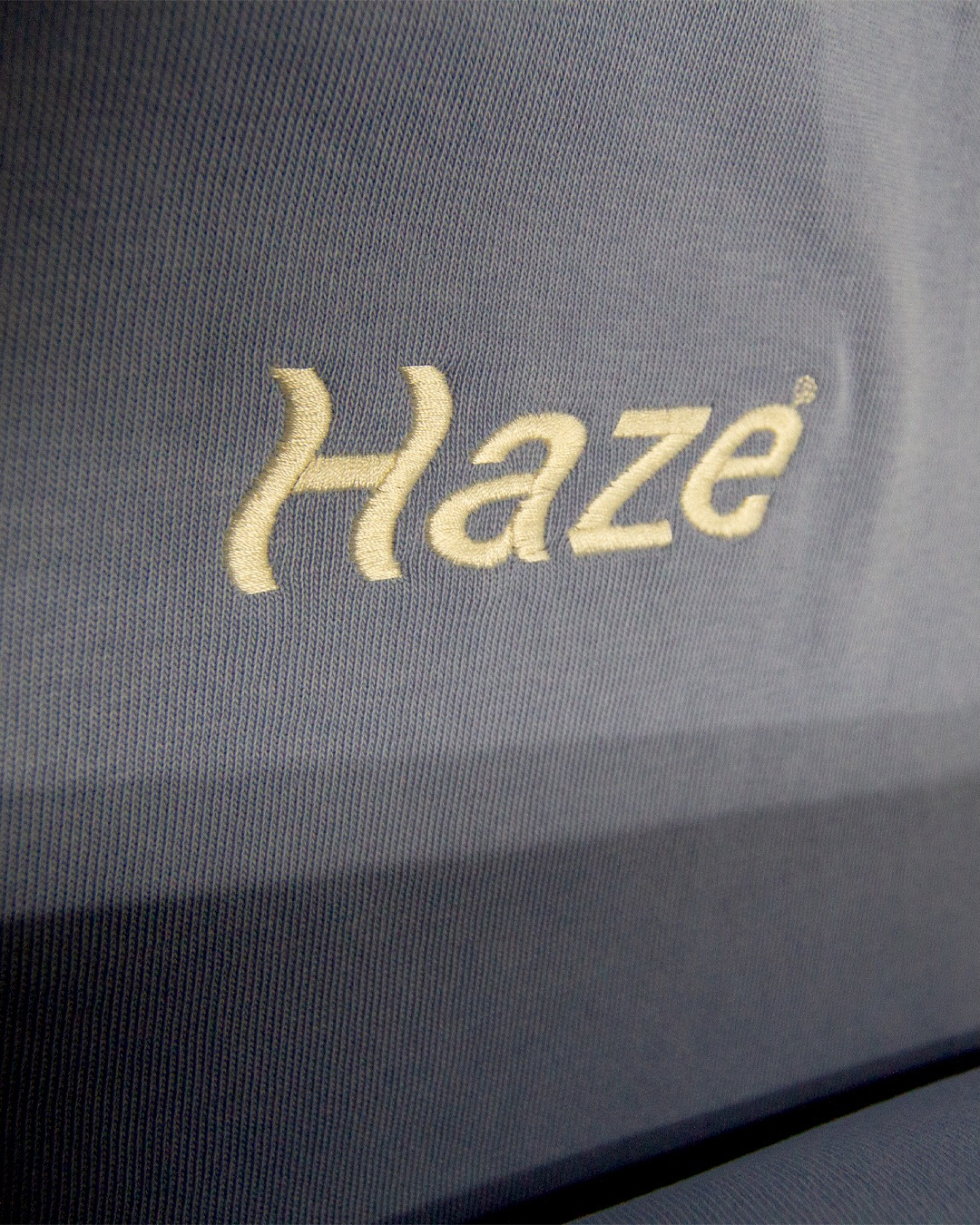
Not all embroidery services understand music merchandise operational needs.
Music merchandise operates on compressed timelines. Tours are announced quickly. Releases need coordinated merch. Partners serving music clients understand these realities and can accommodate quick turnarounds when necessary.
Evaluate whether potential partners have experience with music industry timing requirements or are primarily accustomed to corporate programs with predictable advance planning.
Music merch demand is inherently unpredictable. A viral moment, chart success, or tour announcement can spike demand instantly. Partners need the capacity to handle sudden volume increases without compromising quality or timelines.
For tour merchandise, shipping directly to venues simplifies logistics. Partners offering direct fulfillment understand venue coordination, package holds, and timing requirements.
This capability particularly benefits multi-artist tours or festivals requiring complex multi-location coordination.
Music merch companies need partners who provide technical guidance about what executes well in embroidery without trying to control creative direction.
The best partners explain technical considerations, helping designers make informed decisions while respecting the creative vision music brands bring.
Current trends suggest embroidery's role in music merchandise will continue expanding.
As music fans expect higher quality across consumer products, merchandise quality standards continue rising. Embroidery naturally supports this premiumization trend better than basic screen printing.
Successful embroidered caps and hoodies point toward further category expansion. Embroidered accessories, outerwear, and lifestyle products will likely grow as artists and merchandisers gain confidence in category performance.
Embroidery's flexibility enables limited-edition products and variations that create urgency and collectibility. Special tour editions, venue-specific designs, or exclusive embroidered items can drive superfan engagement.
As music merch continues evolving toward fashion-influenced design, embroidery's natural alignment with contemporary style ensures ongoing relevance.
The shift toward music merch embroidery reflects broader changes in how fans engage with artist brands and what they expect from merchandise. Embroidered products offer aesthetic possibilities, premium positioning, and product diversification that screen printing alone can't deliver. For music merchandisers and label execs, understanding how to leverage contract embroidery services strategically positions merchandise programs for contemporary market realities.
Ready to explore embroidery for your music merch? Contact our team to discuss how we support music merchandisers with quality embroidery, flexible production, and an understanding of music industry timelines. Or explore our embroidery services to learn more about our approach to music merchandise.
Embroidered dad hats and baseball caps consistently perform as top sellers across music genres, offering universal appeal and a premium feel that fans readily embrace. Embroidered beanies create strong seasonal demand and photograph well for social media promotion. Premium embroidered hoodies generate higher per-unit revenue than standard printed versions while appealing to fans wanting elevated casual wear. Artist brand aesthetic and fan demographics influence which specific products perform best - hip-hop and alternative artists often see particularly strong embroidered headwear sales, while legacy rock acts may find premium embroidered outerwear resonates with their established fan base. Start by testing proven categories like caps and beanies with moderate initial orders before expanding into more specialized products. Sales data from initial offerings guides strategic expansion into additional embroidered categories.
Embroidery typically involves higher per-unit production costs than comparable screen printing, but total economics often favor embroidery when considering retail pricing power and margins. Fans perceive embroidered products as premium decoration, justifying higher retail prices - an embroidered dad hat commands pricing above a screen-printed tee while often delivering better margins. The key is evaluating total economics, including retail price, perceived value, and margin structure, rather than focusing solely on production costs. Additionally, embroidered products often have longer sales cycles than trend-dependent graphic designs, remaining relevant across multiple tours or album cycles. Some merchandise programs find that embroidered items generate higher per-transaction revenue even if total unit sales are lower than printed tees, improving overall program profitability through product mix optimization.
Embroidery executes certain design types excellently while challenging others. Simple logos, bold text, and clean graphics translate beautifully to embroidery with striking dimensional quality. Designs with solid shapes and clear details work well. However, very fine lines, complex photorealistic images, or designs with subtle gradients challenge embroidery execution and may require simplification or alternative decoration methods. The best approach involves working with your embroidery partner during design development to understand what executes well and how artwork might need adaptation. Many successful music merch programs create embroidery-specific logo versions optimized for the decoration method rather than trying to replicate every detail from screen-print designs. This approach ensures embroidered products look intentionally designed for the technique rather than appearing as compromised versions of print graphics.
Production timelines depend on order complexity, current production schedules, and quantity. Standard embroidered products with straightforward designs typically require time for production setup and execution that differs from screen printing timelines. When evaluating contract partners, discuss your typical timeline needs and tour scheduling requirements. Partners experienced with music merchandise understand industry timing realities and often accommodate tighter timelines than standard corporate embroidery programs require. Rush production capabilities exist but may involve premium pricing and potentially limit design complexity or product options. The best practice involves planning embroidered product launches with appropriate lead time while understanding rush capabilities for unexpected opportunities. Strong contract partners communicate realistic timelines honestly rather than overpromising, helping you manage artist and fan expectations appropriately.
Embroidered products complement rather than replace screen-printed merchandise in successful programs. Printed graphic tees remain highly relevant for many music fans and provide economic support for tour operations. The strategic approach involves expanding the product mix to include embroidered items alongside printed offerings, creating diverse product tiers serving different fan preferences and price points. Some fans want bold graphic tees expressing their music enthusiasm, obviously. Others prefer subtle embroidered items that they can incorporate into their everyday style. Offering both captures a broader fan base and increases average transaction value when fans purchase multiple items. The most successful music merch programs treat embroidery as a category expansion opportunity rather than a replacement strategy, optimizing product mix based on specific artist brand, fan demographics, and distribution channel characteristics.

