


Your design is perfect. The print quality looks amazing. The garment fit is exactly what you wanted. But when your customer opens the package, they're greeted with a wrinkled shirt in a plain plastic bag, the manufacturer's tag still attached, and no care instructions visible.
In that moment, your premium brand positioning just took a hit.
Here's what most emerging clothing brands don't realize: the finishing details - the tags, the folding, the packaging - aren't just operational necessities. They're strategic brand investments that directly impact perceived value, customer retention, and the prices you can command.
This guide breaks down how retail ready apparel finishing separates brands that customers perceive as professional from those that feel like side hustles with nice designs. We're talking about the details that allow you to charge significantly more for the same base garment and print.
When boutique buyers, department store merchandisers, or even savvy direct-to-consumer customers talk about "retail-ready" products, they're referring to specific finishing standards that signal professional production quality.
"Retail-ready" means products can go from your production partner directly to a store shelf or a customer's hands without additional handling or preparation. Everything necessary for sale and care is already attached, labeled, and packaged.
This includes several non-negotiable elements:
Branded labeling that clearly identifies your company as the manufacturer, not the blank garment supplier. Customers shouldn't see Gildan, Next Level, or Bella+Canvas branding - they should see yours.
Size and care information that meets consumer product labeling requirements. Customers need to know what size they're buying and how to care for the garment to maintain quality.
Professional packaging that protects the product and presents it in a way that matches the price point and brand positioning.
Consistent presentation across all units so every customer receives the same experience, whether they're buying unit one or unit one hundred.
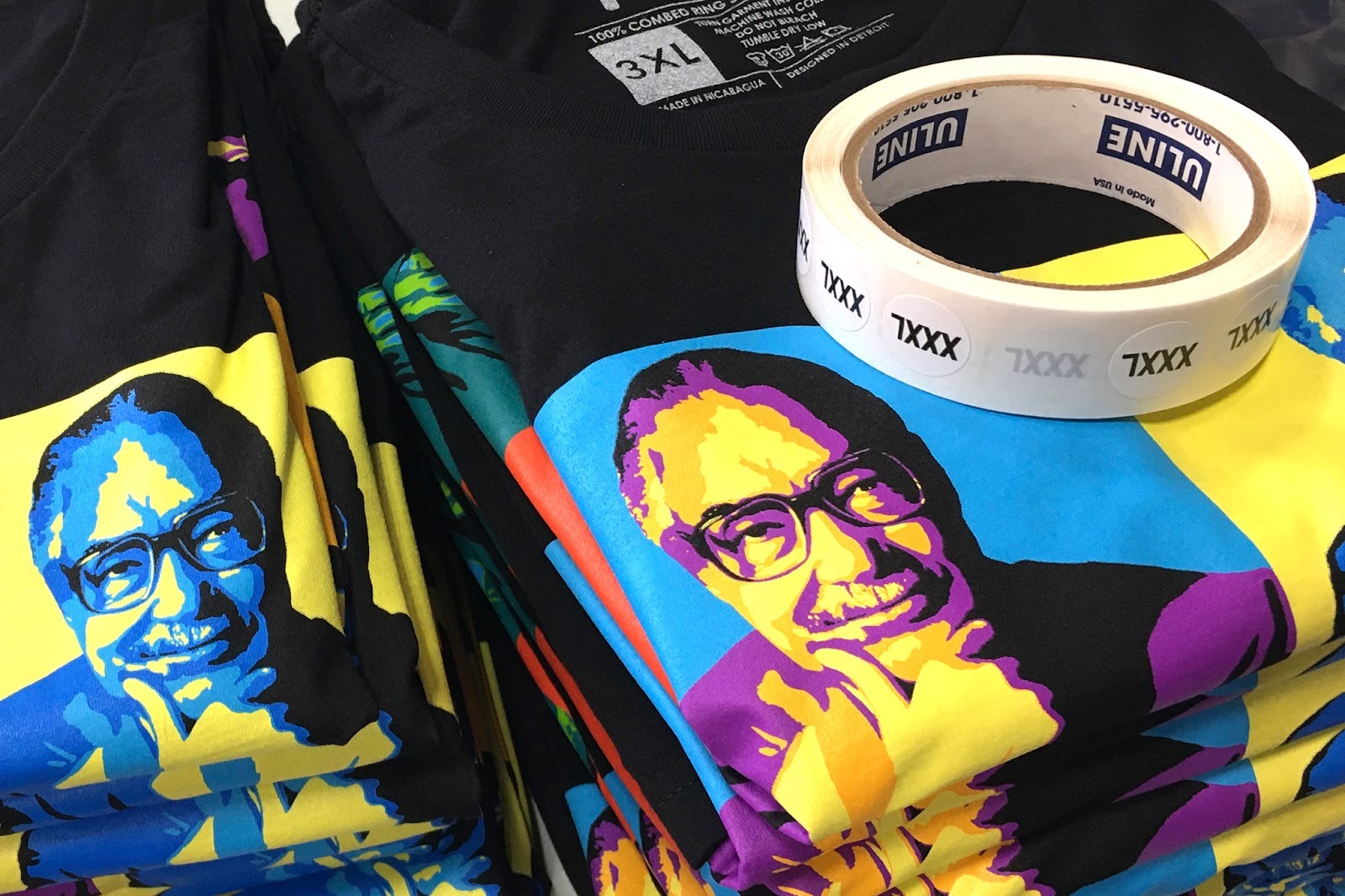
If you're pursuing boutique placements or wholesale accounts, buyers have specific expectations around finishing. They're not interested in products that require additional prep work before they can display them.
Buyers expect products to arrive individually packaged, properly folded, with hang tags attached if applicable, and ready to stock immediately. They don't want to remove manufacturer tags, attach your branding, or deal with wrinkled inventory.
This matters because buyers have dozens of brands competing for limited shelf space. The brand that delivers retail-ready products makes the buyer's job easier, which increases your chances of securing and maintaining those accounts.
Even if you're purely e-commerce focused, customer expectations around presentation have evolved. The rise of influencer unboxing videos and Instagram-worthy packaging has raised the bar for what customers expect when they receive a product.
Your competitors are investing in finishing touches. When customers compare experiences - your plain-packaged shirt versus a competitor's professionally finished product - the difference in perceived professionalism directly impacts repeat purchase rates and word-of-mouth recommendations.
Let's talk about what's happening psychologically when a customer receives a professionally finished garment versus one that's just printed and bagged.
Professional finishing creates a halo effect that influences how customers perceive every aspect of your brand. When a product arrives looking polished and thoughtfully packaged, customers unconsciously attribute other positive qualities to your brand: attention to detail, reliability, and quality control.
This perception starts the moment they open the package. A neatly folded shirt in a clean poly bag with your custom neck label, hang tag with brand story, and care instructions visible creates an immediate impression of professionalism.
That same shirt arriving wrinkled in a generic bag with a Gildan tag still attached? The customer immediately perceives it as less premium, regardless of the actual print quality or design excellence.
Here's the fascinating part: finishing services that add minimal cost per unit can justify significantly higher retail prices.
Consider two identical shirts with identical prints. Shirt A has manufacturer tags still attached and arrives in a plain bag with no hang tag or finishing. Shirt B has a custom-printed neck label, branded hang tag, individual poly bag, and consistent folding.
Customers will perceive Shirt B as worth considerably more, often justifying substantial price premiums, even though the only actual difference is finishing elements that add modest cost per unit to implement.
This isn't about tricking customers. It's about signaling the level of care and professionalism that went into creating the product. Finishing communicates that you're a serious brand that sweats the details, not someone just printing designs on blanks.
Every unboxing is a marketing opportunity. When customers receive a product that exceeds their presentation expectations, they're more likely to:
Share photos on social media showing your branded packaging and tags. Post unboxing videos that showcase the professional presentation. Recommend your brand to friends with specific praise for the quality and presentation. Return for repeat purchases because the experience reinforced positive perceptions.
Professional apparel finishing services transform your product from "I bought a cool shirt" into "I bought from a brand I love." That emotional difference drives customer lifetime value.
Let's break down the specific finishing elements that create retail-ready products and why each one matters for brand perception.
Custom printed neck labels replace the manufacturer's tag with your branding, logo, and sizing information. Instead of a Bella+Canvas or Next Level tag, customers see your brand name.
This seemingly small detail has a significant impact. When customers wear your garment, they see your brand every time they check the size or care instructions. When they resell or donate garments years later, your brand remains visible.
Printed labels are screen-printed directly onto the neck area of the garment. They're soft, don't itch, and won't need to be cut out - unlike sewn-in manufacturer tags that many customers immediately remove.
For emerging brands working with moderate order quantities, printed neck labels offer the perfect balance of professional branding and cost-effectiveness. They clearly establish your brand identity without the higher minimums or costs associated with woven labels.
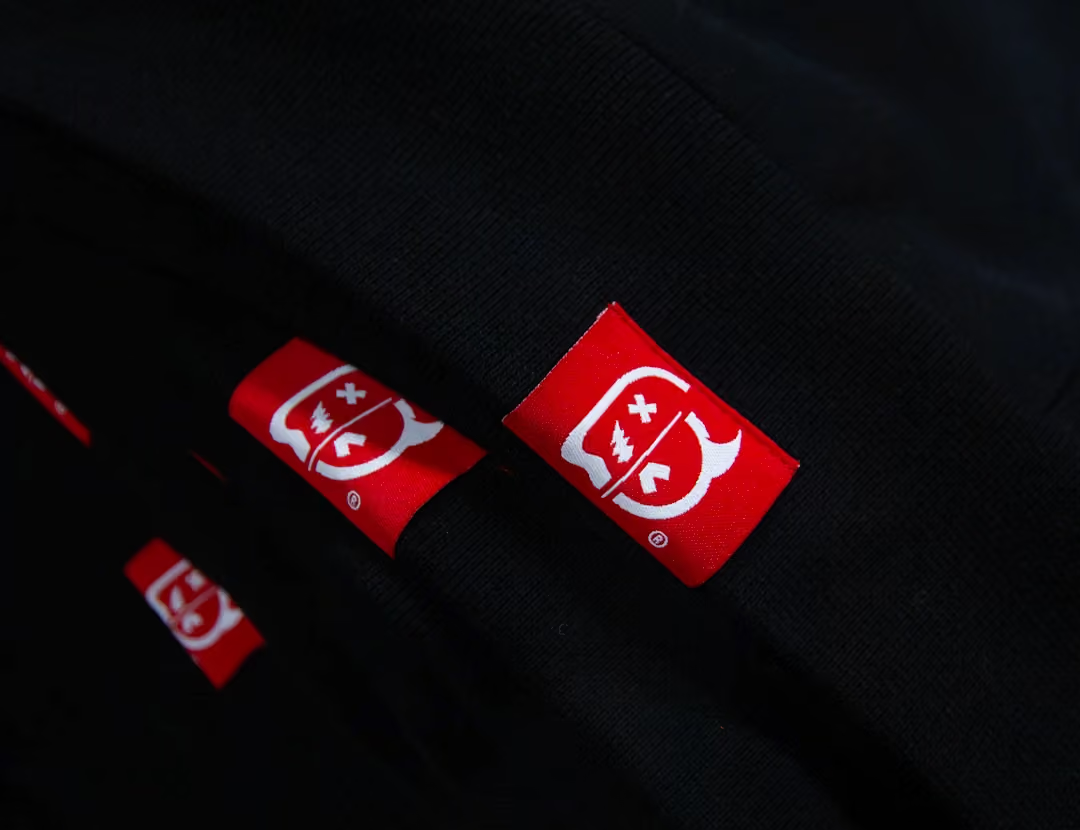
Woven labels are fabric tags sewn into garments, typically offering a more substantial, premium feel than printed labels. They include your logo, brand name, and care information on durable woven fabric.
These labels work particularly well for brands positioned at higher price points or those with strong visual branding that benefits from the textile quality of woven tags. The tactile difference is noticeable - customers perceive woven labels as more luxurious.
The trade-off is cost and minimum order quantities. Woven labels typically require higher setup costs and larger minimums than printed labels, making them more suitable for established brands with consistent production volumes.
Hang tags serve multiple functions: they provide product information, communicate care instructions, showcase branding, and tell your brand story.
A well-designed hang tag includes:
Your logo and brand name are prominently displayed, creating immediate brand recognition. Size information is clearly marked for retail environments where customers browse multiple sizes. Care instructions so customers know how to maintain product quality. A brief brand story or mission statement that connects emotionally with customers. Barcode or SKU for retail inventory management if pursuing wholesale.
Hang tags are particularly important for wholesale channels and pop-up retail, where products are displayed rather than shipped directly. They create shelf appeal and help your products stand out in retail environments.
Even for direct-to-consumer brands, hang tags add perceived value. The presence of a quality hang tag signals that this product was created for retail sale, not just printed on demand.
Hem tags are small fabric labels sewn into the side seam at the bottom hem of garments. They typically include care instructions, fabric content, and your logo or brand name.
These tags meet consumer product labeling requirements for care information while adding another subtle branding touchpoint. Customers reference them when doing laundry, creating repeated brand exposure over the life of the garment.
Hem tags also signal attention to detail. Customers shopping at higher price points expect to see proper care instruction tags - their presence communicates that this is a professionally manufactured product.
Individual poly bags keep garments clean, protected, and ready for immediate sale or shipping. Each unit arrives in its own transparent bag, preventing dirt, moisture, and handling marks.
The operational benefits are significant. When you receive individually bagged inventory, fulfilling orders is as simple as pulling the correct size and shipping. No handling, no refolding, no quality checks for cleanliness.
For retail channels, individually bagged products can go straight to shelves or stockrooms. Buyers appreciate this operational efficiency.
From a customer perception standpoint, receiving a garment in its own protective bag reinforces premium positioning. It signals that care was taken to protect the product through every stage of the supply chain.
Professional fold-and-bag services ensure every garment is folded identically and packaged consistently. This uniformity matters more than most brands realize.
When customers browse your products at markets or pop-ups, consistent folding creates a professional display. When you photograph products for your website, uniform presentation makes your catalog look cohesive and intentional.
The consistency also impacts how customers perceive quality. If every unit they receive looks exactly the same - same fold, same placement of tags - it reinforces the perception that you have strong quality control processes.
Not every brand needs complete finishing from day one. Understanding when different finishing elements make strategic sense helps you invest appropriately for your current business stage.
When you're validating designs and testing market response, focus on the finishing elements that customers interact with directly: custom printed neck labels and individual poly bagging.
These two elements remove the most obvious "amateur" signals - manufacturer tags and casual packaging - while keeping costs manageable. You establish basic brand identity without overinvesting in finishing before you've proven product-market fit.
Hang tags can wait until you're pursuing retail channels or have validated that customers respond well to your brand positioning. Hem tags are nice to have but not critical for early direct-to-consumer testing.
Once you've proven that designs sell and you're reordering inventory of validated products, invest in complete finishing packages. This is the stage where professional presentation directly impacts your ability to scale.
Add hang tags to create more sophisticated brand storytelling. Implement hem tags to meet standard retail labeling requirements. Invest in quality fold-and-bag services to create consistency across all units.
At this stage, finishing services aren't expenses - they're investments that enable higher pricing and better retail opportunities.
If you're pursuing boutique placements, pop-up retail, or any wholesale channels, complete finishing becomes non-negotiable. Buyers expect products to arrive retail-ready.
Every finishing element we've discussed becomes standard: custom neck labels, hem tags, hang tags, individual poly bagging, and professional folding. These aren't optional enhancements - they're baseline requirements for professional retail partnerships.
The cost per unit for complete finishing is easily justified by the wholesale opportunities it enables and the higher price points you can command in retail environments.
For purely e-commerce brands positioning at premium price points, complete finishing helps justify your pricing and builds the brand perception that supports customer loyalty.
When customers are paying premium prices, they expect premium presentation. Investing in finishing signals that you're a serious brand worth the higher price tag.
Making smart finishing decisions requires understanding your brand positioning, sales channels, and customer expectations. Use this framework to determine which finishing elements make sense for your specific situation.
Direct-to-consumer only: Focus on neck labels, poly bagging, and fold-and-bag services. These directly impact the customer unboxing experience.
Wholesale and retail: Add hang tags and hem tags. These are expected standards for retail environments.
Pop-ups and markets: Prioritize hang tags and consistent folding for professional product display.
Mixed channels: Implement complete finishing packages from the start to avoid having different standards for different channels.
Your retail price should guide finishing investment decisions.
Entry-level retail pricing: Custom neck labels and basic poly bagging establish brand identity without overinvesting.
Mid-tier retail pricing: Add hang tags and professional fold-and-bag services to justify the positioning.
Premium retail pricing: Complete finishing with quality hang tags, hem tags, custom neck labels, and premium packaging becomes expected.
Finishing services become more cost-effective at scale, but there are smart entry points at every volume.
50-100 units: Start with printed neck labels and poly bagging. These are accessible at lower volumes and make the biggest immediate impact.
100-300 units: Add hang tags and hem tags as you grow. The per-unit cost decreases with volume.
300+ units: Implement complete finishing packages. At this volume, the investment becomes minimal per unit while the brand impact is substantial.
If your brand identity emphasizes premium quality, sustainability, craftsmanship, or any positioning that justifies higher prices, finishing becomes a critical brand communication tool.
Brands competing primarily on design or price can sometimes succeed with minimal finishing. But brands building long-term value through perceived quality and professionalism need finishing to support that positioning.
Before your next production run, document your finishing specifications:
Neck label requirements: Printed or woven? What information must be included? Logo placement and size specifications?
Hang tag specifications: Size, material, information included, and attachment method?
Hem tag requirements: What care and content information is legally required for your products?
Packaging standards: Individual poly bags? Specific folding method? Any additional packaging elements like tissue paper or branded inserts?
Having these specifications documented ensures consistency across production runs and makes it easy to communicate requirements to production partners.
Let's get specific about how finishing creates competitive advantages that impact your bottom line.
Two brands sell similar graphic tees with comparable print quality. Brand A uses manufacturer tags, ships in plain bags, and has no hang tags. Brand B uses custom neck labels, branded hang tags, individual poly bags, and professional folding.
Customers perceive Brand B as significantly more valuable - often justifying substantial price premiums - even though the only actual difference is finishing elements that add minimal cost per unit to implement.
This isn't theoretical. The price premium enabled by professional finishing creates a margin that funds growth, marketing, and product development.
Professional finishing reduces operational problems that cost time and money. When customers receive properly tagged products with clear care instructions, they're less likely to:
Contact support asking about sizing or care instructions. Return products because they "seem cheap" or unprofessional. Leave negative reviews citing poor presentation or packaging. Request refunds due to products arriving damaged or wrinkled.
Each avoided customer service interaction and return saves direct costs plus the operational time required to handle issues.
When products arrive from your printer retail-ready - individually bagged, properly tagged, and consistently folded - your fulfillment process becomes dramatically simpler.
Pull the correct size from inventory. Drop it in a shipping mailer. Print the label and ship.
No refolding, no quality checking, no handling beyond basic order fulfillment. This efficiency matters increasingly as order volume grows.
For brands handling their own fulfillment, the time savings add up quickly. For brands working with third-party fulfillment centers, retail-ready products reduce handling fees and fulfillment costs.
Professional finishing opens doors to sales channels that wouldn't be accessible otherwise. Boutique buyers and retail partners won't consider products that aren't retail-ready.
The finishing investment doesn't just make existing sales more profitable - it enables entirely new revenue channels through wholesale, pop-up retail, and retail partnerships.
Every customer interaction with your brand shapes their perception. When the finishing quality matches the quality of your design, website, and marketing, you create a consistent brand experience.
Inconsistency damages brand perception. If your Instagram and website communicate premium positioning but your product arrives looking budget, customers notice the disconnect. Professional finishing ensures your product experience reinforces rather than contradicts your brand messaging.
While we've focused primarily on how finishing impacts brand perception and pricing power, the operational advantages deserve recognition.
When products arrive from your production partner already finished, you can implement simpler quality control processes. Check that the correct items are in the shipment, verify print quality, and you're done.
Without professional finishing, you'd need to handle each garment, assess whether manufacturer tags should be removed, attach your own branding elements, package properly, and ensure consistent presentation. This handling creates opportunities for errors and damage.
If you're shooting product photos as inventory arrives, professionally finished products photograph better and more consistently. Every unit looks the same, creating cohesive product imagery for your website and marketing.
This consistency matters for both initial photography and restock photos. You don't want customers noticing that products photographed six months apart look different because finishing standards changed.
For brands shipping internationally, proper labeling and finishing help with customs compliance and customer expectations. Products with clear country-of-origin markings, content labels, and care instructions face fewer complications at customs.
Customers receiving products internationally also expect professional finishing - the longer shipping times and higher costs create expectations for quality presentation.
Let's break down the actual financial impact of investing in finishing services.
Complete finishing packages - including custom printed neck labels, hem tags, hang tags, poly bags, and professional fold-and-bag services - add modest per-unit costs for moderate production volumes.
This investment enables you to:
Command higher retail prices than competitors without finishing. Reduce return rates and customer service costs. Access wholesale channels that require retail-ready products. Create marketing content through professional unboxing experiences. Build brand equity that supports customer lifetime value.
Professional finishing adds minimal cost per unit but enables you to command significantly higher retail prices. The price premium enabled by finishing generates a substantial additional margin that far exceeds the finishing investment.
When you factor in reduced returns, improved customer retention, and wholesale opportunities enabled by professional finishing, the return on investment becomes even more compelling. The modest per-unit investment in finishing creates a disproportionate impact on perceived value and actual revenue.
Beyond immediate financial returns, professional finishing builds brand equity that compounds over time. Each customer who receives a professionally finished product becomes more likely to recommend your brand, purchase again, and justify your positioning when discussing your products with others.
This brand equity is difficult to quantify but becomes visible in customer lifetime value metrics, organic social media mentions, and the ability to maintain premium pricing as your market becomes more competitive.
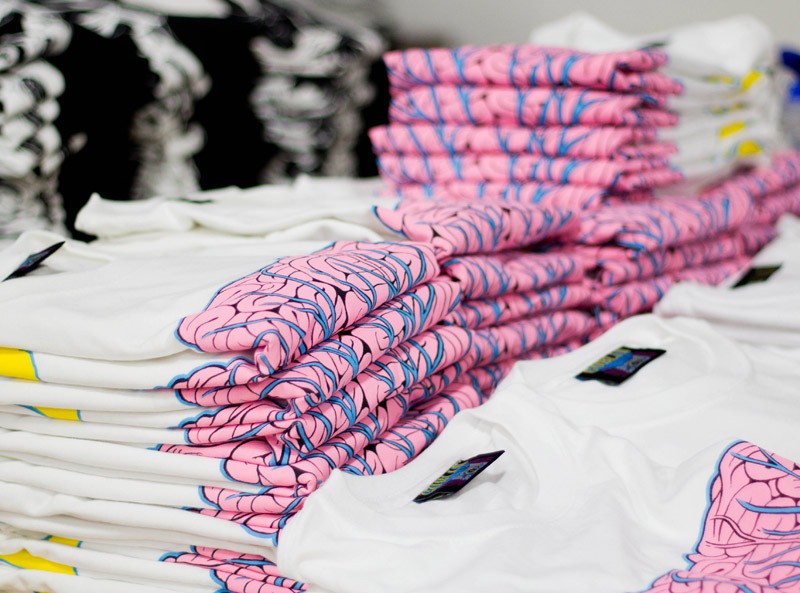
Successfully implementing professional finishing requires clear communication with your production partners about expectations and specifications.
When placing production orders, document your finishing requirements in detail. Vague instructions like "make it look professional" lead to mismatched expectations.
Specify exactly what you need: a custom neck label with your logo in a specific placement, hang tags attached with a specific fastener type, poly bags of a particular thickness, and a folding method demonstrated through reference photos.
The more specific your instructions, the more likely you'll receive products that match your vision.
For your first order with complete finishing, request samples or mockups before committing to full production. Seeing actual examples of how your neck labels will look, how hang tags will be attached, and how products will be folded helps ensure alignment.
This sample stage catches potential issues before they affect entire production runs. Maybe the neck label placement needs adjustment, or the hang tag size doesn't work with your design. Better to discover these issues with samples than with your entire inventory.
As your brand grows, document your finishing specifications as part of your brand guidelines. This documentation ensures consistency across production runs and makes it easy to onboard new production partners if needed.
Include technical specifications, visual references, and clear standards for acceptable quality. These guidelines become increasingly valuable as you scale and work with multiple production partners or handle more complex product lines.
Retail ready apparel finishing separates brands that customers perceive as professional from those that feel like side projects with good designs. From custom neck labels that establish brand identity to professional packaging that creates memorable unboxing experiences, finishing services transform printed shirts into premium products that command higher prices and build customer loyalty.
The investment in finishing isn't just operational - it's strategic brand building that enables pricing power, reduces operational friction, and opens doors to wholesale and retail opportunities.
Ready to elevate your brand with professional finishing? Explore our complete retail-ready services and get instant pricing on custom tags, labels, and packaging in our quote builder.
Printed neck labels are screen printed directly onto the garment's neck area, providing a soft, tag-less feel with your branding and sizing information. They're cost-effective for moderate order quantities and don't require removal since they don't itch. Woven labels are fabric tags sewn into garments, offering a more substantial, premium feel with your logo and information on durable woven material. Woven labels work well for brands positioned at higher price points ,but typically require higher minimums and setup costs. For most emerging brands working with 50-200 unit orders, printed neck labels offer the best combination of professional appearance and accessibility.
Complete finishing services - including custom printed neck labels, hem tags, hang tags, individual poly bagging, and professional fold-and-bag - add modest per-unit costs for moderate production volumes. The exact cost depends on complexity, materials chosen, and order quantity. This investment enables you to command higher retail prices, reduce return rates, and access wholesale channels. The price premium enabled by professional finishing typically generates a significant additional margin that far exceeds the finishing investment. Most brands find that finishing costs represent a small percentage of total production costs while creating a disproportionate impact on perceived value.
Finishing elements can be implemented at different stages based on order quantities and brand goals. Custom printed neck labels and individual poly bagging are accessible starting at 50-unit orders and provide the biggest immediate impact on brand perception. As you grow to 100-300 units, adding hang tags and hem tags becomes increasingly cost-effective while supporting wholesale opportunities and premium positioning. At 300+ units, complete finishing packages make strong financial sense as the per-unit cost decreases substantially. However, brand positioning and sales channels matter more than absolute volume - brands targeting wholesale or premium price points benefit from complete finishing even at lower volumes.
While some finishing elements can technically be added after printing, it's almost always more efficient and cost-effective to have your production partner handle finishing as part of the complete production process. Professional shops equipped with finishing capabilities can integrate custom neck labels, hem tags, hang tags, and packaging into their workflow seamlessly. Trying to add finishing elements yourself or through a separate vendor creates additional handling, increases the risk of quality inconsistencies, and often costs more than including finishing in the original production run. The best approach is to specify your complete finishing requirements when placing production orders.
Wholesale buyers - including boutique owners, department store merchandisers, and retail partners - expect products to arrive completely retail-ready. This means custom-branded neck labels (no manufacturer tags), hem tags with care instructions and fabric content, hang tags with brand information and pricing capabilities, and individual poly bags for protection and presentation. Products should be consistently folded and packaged so they can go directly to shelves or stockrooms without additional preparation. Buyers dealing with multiple brands prefer partners who deliver truly retail-ready products because it reduces their operational burden and ensures consistent presentation standards. If you're pursuing wholesale channels, complete finishing is a baseline requirement rather than an optional enhancement.

