


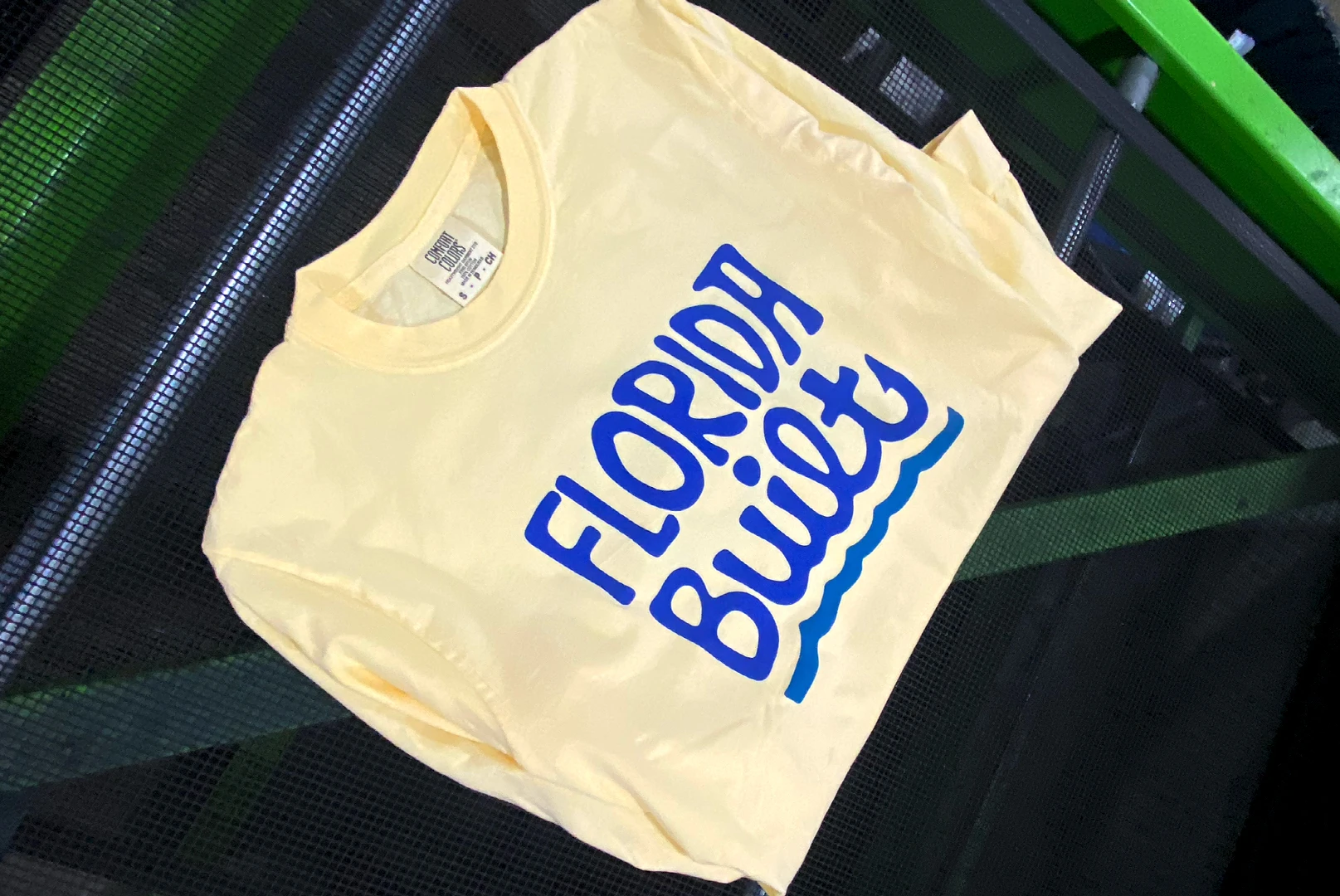
The call comes late in the day. Your client needs branded shirts for an upcoming event. They know it's last-minute. They're apologetic but desperate. And they're asking if you can make it happen.
Rush contract screen printing situations like this happen regularly in the promotional products and event planning world. Understanding how rush production actually works - the operational mechanics, the real costs, and the preparation requirements - helps you navigate these situations strategically rather than creating stress for everyone involved.
This guide breaks down what happens behind the scenes during rush orders, why expedited production costs more than standard timelines, how to prepare orders for maximum success, and when to manage expectations by saying no. We're talking about the operational realities that determine whether tight deadlines are achievable or impossible.
Before requesting rush production, understanding what actually happens in a contract shop helps set realistic expectations.
Contract screen printing operations maintain production schedules, maximizing efficiency. Jobs are sequenced to minimize setup changes, grouped by similar garment types or ink colors when possible, and planned to utilize equipment capacity systematically.
This efficient scheduling keeps costs reasonable and ensures consistent quality. Operators move methodically through queued orders, equipment runs productively, and quality control happens systematically at appropriate checkpoints.
When rush orders enter this system, they create operational challenges requiring real accommodations.
Breaking existing production sequences - Rush jobs often need to jump ahead of scheduled work. This means stopping current setups, potentially cleaning screens mid-run, and reorganizing production flow.
Overtime labor requirements - Meeting tight deadlines may require extended shifts, weekend work, or additional staff. These labor costs are real expenses that rush pricing must cover.
Equipment priority allocation - Rush work gets priority equipment access, meaning standard orders might shift to less optimal machines or time slots.
Compressed quality control - While quality standards don't change, the time available for inspection and problem correction compresses, requiring more intensive oversight.
Reduced setup optimization - Efficient shops group similar jobs to minimize setup changes. Rush orders often can't wait for optimal grouping, creating additional setup time and costs.
Understanding production timeline components helps evaluate what's realistically achievable.
Pre-production preparation includes artwork file review and adjustment if needed, screen preparation or film output, and garment inventory verification and preparation.
Production execution involves machine setup and test runs, actual printing across all quantities and colors, and drying time between print stations for multi-color work.
Quality control and finishing include inspection of finished products, any finishing services like folding or tagging, and packaging for shipment.
Shipping and delivery require time for carrier pickup, transit to the destination, and delivery confirmation.
Even with rush handling, these steps require minimal time. Some can compress somewhat, but none can be eliminated without compromising quality or reliability.

Premium pricing for expedited service reflects real operational costs and business impacts.
Overtime labor costs more than standard shifts. Weekend work often involves premium pay rates. Bringing in additional staff on short notice may require temporary labor at higher hourly costs.
These aren't artificial markups - they're actual increased expenses rush orders create.
When shops prioritize rush work, other orders shift later. This creates ripple effects - client communication about adjusted timelines, potential revenue impact if delays cause problems, and operational complexity in managing revised schedules.
Rush pricing compensates for these disruptions affecting overall business operations.
Efficient production batches for similar jobs, minimizing setup changes. Rush orders often require immediate setup regardless of what's currently running.
This creates additional screen preparation time, cleaning, and changeover between jobs, and equipment reconfiguration that wouldn't happen with optimized scheduling.
If rush orders require garments not currently in stock, expedited sourcing costs more. Rush shipping from suppliers, premium pricing for emergency inventory, and reduced ability to negotiate volume pricing all increase costs.
Tight timelines reduce margin for error. If problems arise, limited time exists for correction without missing deadlines.
This increased risk justifies premium pricing, reflecting the elevated pressure and reduced flexibility that rush orders create.
Understanding what's actually achievable prevents proposing impossible scenarios.
Rush production typically means prioritized handling with compressed timelines - not magic elimination of production requirements.
For straightforward orders with standard garments and simple designs, rush handling might compress timelines significantly compared to standard scheduling. Complex designs, specialty techniques, or unusual garment requirements limit how much timeline compression is possible.
Simple designs with limited colors on standard garments can often accommodate tighter timelines. Basic left-chest logos, single-color designs, or text-based graphics require less complex production.
Complex designs with many colors, specialty techniques like simulated process screen printing, or specific finishing requirements need more time, regardless of rush handling.
Smaller quantities can sometimes complete faster than large orders simply because machine time requirements scale with quantity. However, setup time remains constant regardless of order size.
Very large orders require time for production that can't be compressed beyond machine speed capabilities. Printing several thousand pieces takes time, even when prioritized.
Production time isn't the only constraint. Shipping requires a realistic time for carriers to deliver.
Expedited shipping options exist but involve additional costs. Very tight deadlines might require special courier services rather than standard freight, further increasing costs.
Local delivery within the same metro area offers more flexibility than cross-country shipping, where transit time alone consumes days.
How you prepare and submit rush orders significantly impacts the success probability.
For rush orders, artwork files must be production-ready immediately. Delays for file corrections or clarifications eliminate any timeline flexibility.
Provide files in proper formats - Vector files for logos, high-resolution images if needed, and format specifications your partner requests.
Verify all specifications clearly - Exact print locations and measurements, precise color requirements with Pantone codes if applicable, and any special instructions documented clearly.
Get approval sign-off documented - With compressed timelines, time for client approval rounds disappears. Have final approval confirmed before submitting to production.
Standard garments in common colors offer the most timeline flexibility. If specific brands or styles are required, verify availability immediately.
Consider offering garment alternatives if primary choices involve sourcing delays. Rush timelines may require compromising on specific preferences to meet deadline requirements.
Multi-color designs take longer than simple single-color work. Each color requires a separate screen setup and print pass.
If the timeline is truly critical, consider simplifying designs to fewer colors, even if it compromises the original vision somewhat.
During rush production, you need to be accessible for quick decisions. Questions about file details, approval of production samples, or shipping instructions require immediate responses.
Delayed communication extends timelines even when production is prioritized.
When quoting timelines to clients, build a buffer for unexpected complications. Production might need an extra half-day for quality concerns. Shipping might encounter weather delays.
Buffer prevents you from over-promising and creates positive surprises when orders arrive early rather than stressful explanations when deadlines slip.
Successful rush order relationships require specific communication approaches.
When inquiring about rush capabilities, provide complete information upfront, including exact quantity and garment details, design complexity, color count, absolute deadline, including delivery location, and any special requirements like finishing or packaging.
Complete information lets partners evaluate feasibility accurately rather than providing tentative answers requiring revision as details emerge.
Some operations will accept rush orders that they can't realistically execute, creating problems when deadlines approach. Ask specific questions about their current production load, equipment availability for your timeline, and recent experience with similar rush requirements.
Partners should be realistic about feasibility rather than optimistically promising impossible timelines to secure the order.
Different operations handle rush orders differently. Some maintain dedicated rush capacity. Others work rush jobs into existing schedules where possible. Some have minimum timelines regardless of rush premiums.
Understanding their specific approach helps you work within their operational model.
What happens if unexpected problems arise? Do they have backup equipment? Alternative production capacity? Clear communication protocols in case delays become necessary?
Knowing contingency approaches reduces stress if complications occur.
For critical rush orders, get timeline commitments documented. This creates accountability and ensures mutual understanding of expectations.
Not every rush request should be accepted. Strategic evaluation protects your business and client relationships.
When production requirements simply can't fit within available time, saying no protects everyone. Attempting impossible timelines creates failures, damaging relationships more than declining business.
Be honest about physical constraints rather than accepting orders you can't deliver.
If clients can't provide production-ready files, firm specifications, or quick approval turnaround, rush timelines become impossible.
Rush orders require immediate execution. Delays for information gathering eliminate any compressed timeline benefits.
Some clients have zero tolerance for quality variations. Rush production inherently involves elevated risk from compressed timelines.
If client expectations can't accommodate the quality variability risk rush orders carry, declining protects the relationship better than proceeding.
If clients want rush service but resist appropriate pricing, the order creates operational stress without adequate compensation.
Rush pricing must reflect real costs and risks. If clients won't accept realistic pricing, declining preserves operational efficiency for appropriately valued work.
Sometimes your production partners simply lack capacity for additional rush work. Current commitments might fill all available rush capacity.
Attempting to force additional work into already strained capacity creates failures across multiple orders.
Clear communication prevents misunderstandings and manages stress for everyone.
Most clients understand rush service costs more when you explain the operational mechanics involved. Overtime labor, schedule disruption, and reduced efficiency make sense as cost drivers.
Transparent communication builds understanding rather than resentment about rush premiums.
During rush production, proactive status updates reduce client anxiety. Brief messages confirming production start, midpoint updates, and shipping notifications create reassurance.
Clients tolerate tight timelines better when they have visibility rather than wondering what's happening.
Compressed timelines mean reduced time for problem correction. If minor imperfections occur, limited options exist for addressing them before deadlines.
Setting this expectation upfront prevents disappointment if reality doesn't match ideal outcomes.
When requested timelines aren't achievable, suggest alternatives. Slightly extended timelines that are realistic. Reduced quantities are completing faster. Simplified designs require less production time.
Solution-oriented responses help clients more than simple "no" answers.
Understanding typical situations helps prepare appropriate responses.
Corporate events, conferences, or trade shows create firm deadlines. Products must arrive before the event starts, or they're worthless.
These situations often justify rush premiums because alternatives don't exist. However, they also require absolute reliability - near-misses aren't acceptable.
Sometimes rush orders result from previous supplier failures. A vendor missed deadlines or delivered unacceptable quality, forcing clients to source emergency replacements.
These situations require careful evaluation. The stress and urgency are real, but the previous failure might reflect unrealistic expectations rather than just poor execution.
Sudden opportunities arise - unplanned promotional events, unexpected publicity, or spontaneous marketing activations. Clients need products quickly to capitalize on timing.
These situations often involve flexible specifications because opportunity value exceeds perfection requirements.
Some rush situations result simply from poor planning. Clients knew about deadlines but waited too long to order.
While helping clients is valuable, repeatedly accommodating poor planning enables problematic behavior. Consider whether rushed accommodation or firmly explaining planning requirements better serves long-term relationships.
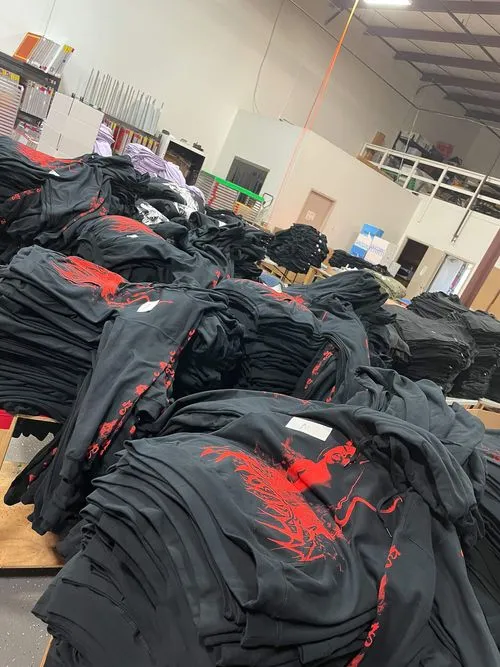
Quality standards shouldn't change for rush orders, but the process dynamics differ.
Rush orders undergo the same quality verification as standard orders, but compressed timelines mean intensive rather than leisurely inspection processes.
Quality checkpoints happen on tight schedules. Problems requiring correction have limited resolution time. This intensity increases operational stress even when standards remain constant.
Perfect execution is always the goal, but rush order clients should understand that compressed timelines reduce the margin for addressing minor issues if they occur.
Most rush orders execute flawlessly, but having realistic conversations about quality risk helps manage expectations.
Standard orders often include pre-production samples for client approval. Rush timelines may not allow this step.
Clients must trust production execution based on specifications rather than physical sample verification. This requires confidence in partner capabilities and clear specification communication.
Understanding true economics helps decide when rushed accommodation makes sense.
Rush orders generate premium revenue but create operational stress, affecting other work. Evaluate whether the revenue justifies the disruption.
Occasional rush orders might make sense. Constant rush work indicates pricing inadequacy or the need for operational changes.
Rush accommodation for important long-term clients builds loyalty and strengthens relationships. Taking on challenges when it matters creates goodwill.
However, clients who consistently create emergencies might need education about planning or might not value your services appropriately.
The ability to handle genuine rush situations can differentiate your business from competitors who can't or won't accommodate tight timelines.
This capability has value beyond individual order revenue when it positions you as responsive and capable.
Understanding rush contract screen printing mechanics - the operational realities, cost drivers, and preparation requirements - helps event planners and distributors manage urgent situations strategically. Success comes from realistic expectations, proper preparation, and clear communication rather than wishful thinking about impossible timelines.
Ready to navigate rush orders successfully? Contact Extreme Screen Prints to discuss rush capabilities, timeline realities, and how we approach expedited production for genuine urgent situations. Or explore our contract screen printing services to learn more about our production approach.
Realistic rush timelines depend heavily on order complexity, quantity, and current production schedules. Simple designs with limited colors on standard garments in moderate quantities can often accommodate compressed timelines compared to standard scheduling. Complex multi-color designs, specialty techniques, or large quantities require more time regardless of rush prioritization. Additionally, garment availability affects timelines - standard items in stock move faster than specialized garments requiring sourcing. When discussing rush orders with contract partners, provide complete specifications, including design complexity, exact quantities, garment requirements, and absolute deadline. Partners can then evaluate feasibility honestly based on current capacity and operational realities. Be wary of promises that seem unrealistically fast - genuine rush capability differs from impossible commitments that create failures.
Rush pricing reflects real operational costs and business impacts. Direct expenses include overtime labor or weekend shifts at premium pay rates, the potential need for additional temporary staff, and expedited material sourcing if garments aren't in stock. Indirect costs involve disruption of efficient production scheduling requiring additional setups, opportunity costs from delaying other scheduled work, and compressed timelines, reducing margin for problem correction if issues arise. Rush orders also carry elevated operational risk from tight deadlines, allowing limited flexibility for unexpected complications. These combined factors justify premium pricing beyond standard rates. Transparent discussion of these cost drivers helps clients understand that rush premiums aren't arbitrary markups but a reflection of actual increased expenses and the operational impact rush orders create for contract printing operations.
Rush orders require production-ready files submitted immediately since no time exists for corrections or clarifications. Provide artwork in proper vector formats for logos and graphics, including specific Pantone color codes if color matching is critical, and document exact placement specifications with measurements. Verify all details are correct before submission, since revision rounds consume precious time. Get final client approval documented before sending to production - compressed timelines eliminate time for approval cycles. Also, clearly communicate any special requirements, like finishing services or packaging needs, upfront. The more complete and accurate the initial file submission is, the better the chance that rush timelines succeed. Partners should be able to start production immediately without waiting for clarifications, corrections, or additional information.
No, some orders simply can't compress beyond physical production constraints regardless of pricing. Very large quantities require time for printing that can't be accelerated beyond machine capabilities. Complex designs with many colors or specialty techniques like simulated process need production time that's non-negotiable. Custom garment sourcing involves supplier lead times that expedited shipping doesn't eliminate. Shipping transit time to distant locations creates a floor for the total timeline. Additionally, if production capacity is already committed to other rush work, adding more rush orders isn't possible without failing existing commitments. Ethical contract partners decline impossible timelines rather than accepting orders they can't deliver. The responsible approach involves an honest assessment of feasibility based on real operational constraints rather than accepting every request regardless of realistic execution capability.
While "rush" implies last-minute situations, providing as much advance notice as possible improves success probability. Even if the standard timeline would be longer, submitting rush orders as soon as you know about them gives production partners flexibility for scheduling and problem-solving if complications arise. The difference between submitting a rush order with a few days versus a few hours can significantly impact execution quality and stress levels. If you know about potential rush needs in advance, communicate with partners early, even before firm order commitment. This allows them to plan capacity and provide realistic guidance about what's achievable. The more advanced notice provided for any rush situation, the better outcomes typically result through reduced operational pressure and increased time for quality execution.

