


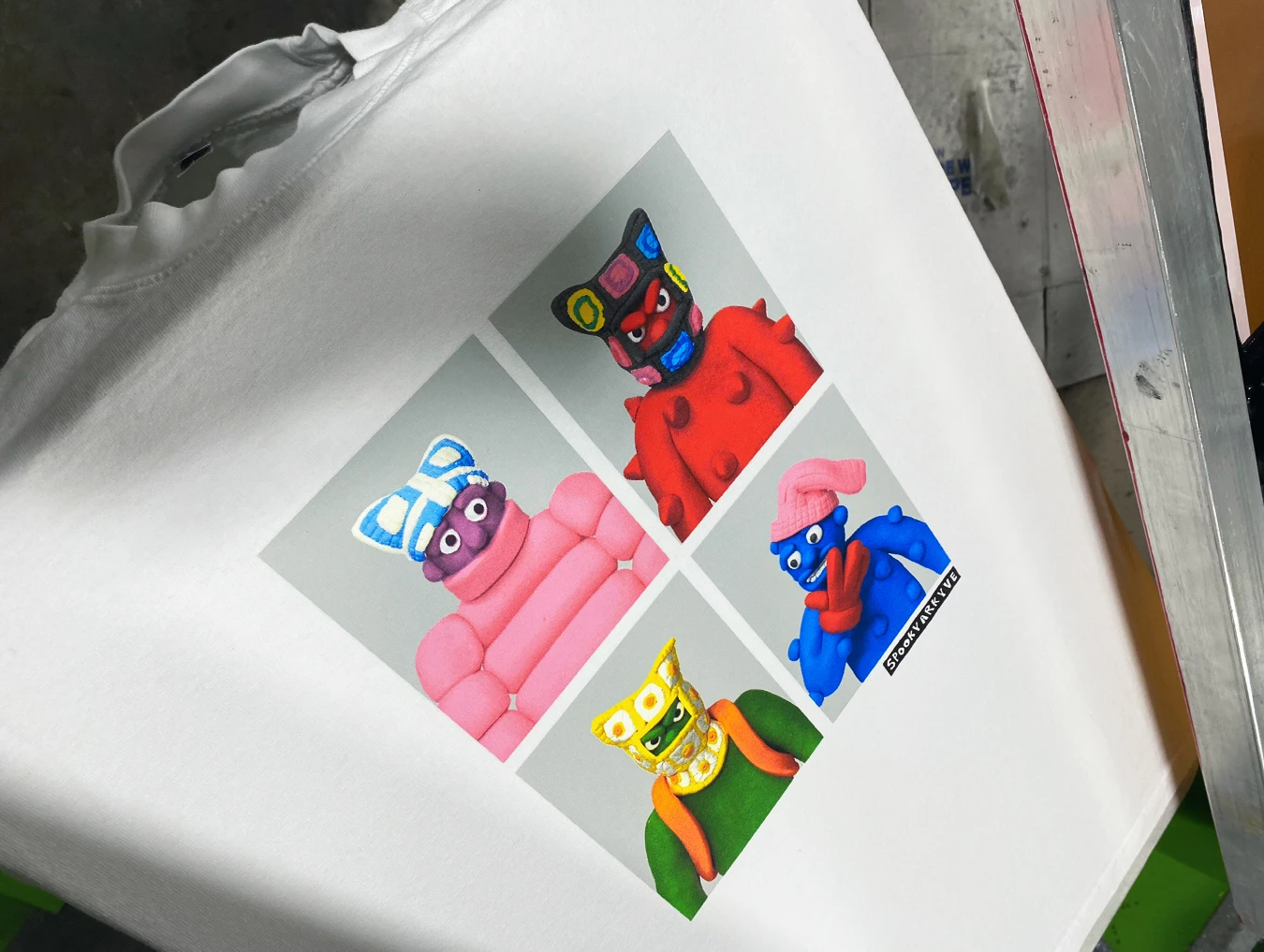
When a streetwear brand hands you artwork featuring photorealistic imagery, subtle gradients, or complex photographic elements, standard spot color printing falls short. The client expects their merchandise to look retail-ready - the kind of quality that commands premium pricing and meets the expectations of discerning customers.
This is where simulated process screen printing separates professional contract operations from standard print shops. Not every facility has the technical capability, equipment precision, or expertise to execute photorealistic designs consistently. Understanding when a simulated process is needed, what makes it technically challenging, and how to evaluate contract partners for this pro-tier service protects your brand partnerships and enables you to deliver the quality high-end clients demand.
This guide breaks down what simulated process printing actually is, why it requires specialized expertise, how to identify designs that need this approach, and what to look for when vetting contract partners for complex artwork execution. We're talking about the technical distinctions that separate retail-quality merchandise from disappointing compromises.
Before evaluating partners or pricing projects, understanding what the simulated process accomplishes clarifies its value proposition.
Simulated process printing reproduces photographic images, complex artwork with gradients and shading, and designs with numerous color transitions using screen printing techniques. The goal is to create the visual appearance of continuous-tone imagery - like a photograph printed on fabric.
This differs fundamentally from spot color printing, which applies solid, flat colors. Photographic elements contain subtle color transitions, highlights, shadows, and tonal variations that spot colors can't capture. Simulated process bridges this gap, enabling screen printing to reproduce photorealistic imagery that rivals direct-to-garment printing quality while maintaining screen printing's durability and production efficiency.
Simulated process screen printing breaks down continuous tone images into multiple layers of halftone screens. Each screen applies specific colors at varying dot densities, creating the illusion of gradients and photographic detail through optical blending.
This halftoning approach mimics how commercial offset printing reproduces photographs - using dot patterns at different sizes and densities to create tonal variations. The viewer's eye blends these dots into smooth gradients and photographic detail from normal viewing distance.
The technique requires sophisticated color separation expertise, precise screen preparation and registration, careful ink formulation for proper opacity and blending, and exacting production execution, maintaining alignment across all screens.
Not every design requires simulated process complexity and cost. This technique becomes necessary when designs include photographic portraits or imagery, artwork with subtle gradients or shading, complex illustrations with numerous color transitions, or brand assets requiring photorealistic reproduction.
Simple graphic designs with solid colors don't benefit from a simulated process. Basic logos, text, and geometric shapes execute more cost-effectively with spot color printing. The key is matching the decoration technique to the design characteristics.
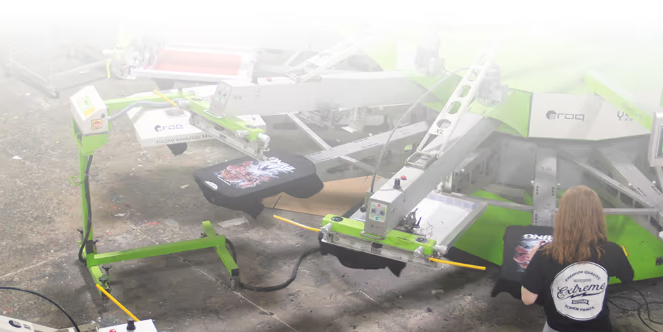
Understanding technical challenges explains why not every operation can execute a simulated process reliably.
The simulated process demands equipment capabilities beyond basic screen printing. Multi-color designs require precise screen registration - even slight misalignment causes halftone dots to blend improperly, creating visual artifacts. Professional operations maintain calibrated equipment with tight registration tolerances and systematic maintenance.
Color separation represents the most critical factor - analyzing artwork and determining which screen colors and halftone patterns will reproduce the image faithfully. This requires a deep understanding of ink blending, substrate effects, and screening techniques. Experienced separators know optimal screen counts, which inks blend to create desired tones, and how to maintain detail throughout tonal ranges. This expertise develops through years of specialized work that standard shops attempting occasional complex projects.
Even with excellent separations and precise equipment, production execution determines final quality. Maintaining consistent ink viscosity, achieving proper squeegee pressure, and keeping registration tight across entire runs are all amplified in a simulated process. Small inconsistencies in spot color create noticeable variations in photorealistic designs.
Garment choice significantly affects results. Smooth, tightly woven fabrics like premium ring-spun cotton provide optimal substrates for fine detail. Dark garments require different separation approaches than light garments. Experienced operations guide appropriate garment selection and understand how different fabrics affect the final appearance.
High-end brands require contract partners who position simulated processes as specialized expertise.
Premium streetwear brands and licensed merchandise holders compete where quality directly impacts brand perception and sales. Merch needs a premium appearance - not generic screen printing. The simulated process executed properly delivers retail-quality results with photographic detail, a smooth professional appearance, and finished products justifying premium pricing.
This quality level requires treating simulated processes as a specialized service with appropriate pricing and timeline rather than forcing complex artwork through standard workflows.
When brand partners trust you with licensed assets or signature artwork, execution quality directly affects ongoing relationships. Disappointing quality damages trust and jeopardizes future opportunities. Professional partners demonstrate work through portfolio examples, explain their approaches, and set realistic expectations.
Simulated process commands higher pricing than spot color due to separation complexity, additional screens, and specialized expertise. This reflects real value - the difference between photorealistic quality that delights clients and compromised results that disappoint. Your role includes educating clients on why complex artwork requires a specialized approach and premium pricing.
Recognizing which artwork needs a simulated process helps you scope projects accurately and set appropriate expectations.
Any design incorporating photographs or photographic imagery requires a simulated process for faithful reproduction. This includes band photos on tour merch, product photography in promotional designs, portrait artwork in branded apparel, and documentary or archival imagery.
Attempting these designs with spot colors forces artistic compromises that rarely satisfy clients expecting photorealistic results.
Designs built around gradients, color blends, or ombré effects challenge spot color approaches. While simple two-color blends might work with spot colors and blending techniques, complex multi-directional gradients need a simulated process.
Artist illustrations using gradient shading, designs with atmospheric perspective or lighting effects, and artwork with subtle color transitions all benefit from simulated process reproduction.
Detailed illustrations with numerous distinct colors and subtle variations often work better as a simulated process than attempting to match every color with individual spot color screens.
Beyond a certain complexity threshold, a simulated process using fewer screens can reproduce the artwork more faithfully and cost-effectively than trying to match dozens of spot colors.
Licensed properties often provide artwork created for other media - comic book illustrations, animated character art, or brand photography. These assets were designed for digital or print reproduction, not screen printing limitations.
The simulated process enables faithful reproduction of licensed artwork without compromising the original creative vision or brand standards.
Not all operations claiming simulated process capability deliver professional results. Strategic evaluation protects your projects.
Request portfolio examples specifically showing simulated process work. Examine samples for fine detail retention in highlights and shadows, smooth gradients without banding or posterization, accurate color reproduction matching original artwork, and clean registration without ghosting or misalignment.
Compare samples against the original artwork when possible. How faithfully does the printed version reproduce the source material? Are compromises minimal and appropriate, or do they significantly degrade quality?
Experienced operations can discuss their simulated process approach substantively. They should explain their separation philosophy and methodology, typical screen counts for different design complexities, how they handle different garment colors and types, and quality control measures ensuring consistency.
Vague responses about "we do simulated processes" without technical depth suggest limited experience or capability.
The simulated process requires specific capabilities. Operations should maintain multi-color presses with precise registration, implement climate-controlled production areas for consistency, and utilize quality control systems monitoring registration and color.
While you won't inspect facilities for every partner, understanding their production environment helps assess capability.
Professional operations price simulated processes appropriately for the complexity involved. Unrealistically low pricing suggests either inexperience with true costs or corners being cut on quality.
Similarly, realistic timelines reflect the additional preparation and production time complex artwork requires. Rush pricing for simulated processes should reflect the premium for expediting complex work.
The best partners offer design consultation, helping optimize artwork for printing. They can advise on artwork resolution and preparation requirements, realistic expectations for specific designs, and potential modifications to improve reproduction quality.
This collaborative approach indicates experience and commitment to quality outcomes rather than just accepting orders regardless of execution challenges.
How artwork is prepared affects reproduction quality and project economics.
The simulated process requires high-resolution source artwork - low-resolution files limit detail reproduction regardless of printing expertise. Provide vector artwork when possible for graphic elements and high-resolution raster files for photographic components. Clean, properly formatted files, avoiding compression artifacts, prevent quality issues that amplify during printing.
Artwork created inthe RGB color space needs translation to printed inks. Some digitally achievable colors challenge physical ink reproduction. Garment color significantly affects execution - light-colored garments generally allow the most faithful color reproduction, while dark garments require underbase layers and different approaches that may alter appearance. When photorealistic color accuracy is critical, light or white garments provide optimal substrates.
Simulated process detail reproduction has practical limits based on print size. Very small designs may lose fine detail, so understanding minimum sizes for optimal results prevents disappointment. Placement also matters - areas with seams, pockets, or fabric texture variations may challenge consistent reproduction.
Simulated process screen printing represents a pro-tier service separating professional contract operations from standard print shops. For high-end streetwear brands, licensed merchandise, and any project requiring photorealistic quality, understanding this specialized technique and partnering with experienced contract providers ensures retail-ready results that justify premium positioning and protect valuable brand relationships.
Ready to deliver premium photorealistic merch? Contact our team to discuss simulated process capabilities, review your complex artwork, and explore how specialized printing delivers the quality your high-end clients demand. Or explore our simulated process screen printing services to learn more about our approach to photorealistic printing.
Spot color printing applies solid, flat colors through individual screens - each color is a separate layer with uniform ink coverage. This works excellently for logos, text, and graphic designs with distinct color areas. Simulated process printing uses halftone dot patterns across multiple screens to create the illusion of photographic imagery with gradients, shading, and continuous color transitions. Rather than solid colors, the simulated process builds up a photorealistic appearance through layered halftone screens that optically blend to reproduce complex artwork. The technique requires significantly more expertise in color separation, tighter equipment tolerances for precise registration, and more complex production execution. While spot color works for most promotional and branded apparel, simulated process becomes necessary when designs include photographic elements, subtle gradients, or artwork requiring photorealistic reproduction quality.
Screen count for simulated processes varies based on design complexity, color range, and desired quality level. Simple photographic designs on light garments might use modest screen counts, while complex multi-color artwork or designs on dark garments requiring underbase layers may need substantially more screens. The key is using an appropriate screen counts for specific artwork rather than defaulting to fixed numbers. Experienced color separators determine optimal screen count by balancing quality results against production complexity and cost. More screens aren't automatically better - strategic color selection and separation expertise often achieve superior results with fewer screens than poorly planned separations using excessive screens. When discussing simulated process projects with contract partners, they should evaluate your specific artwork and recommend appropriate screen counts rather than providing generic answers disconnected from design characteristics.
Yes, a simulated process can work on dark garments, but it requires different technical approaches than printing on light garments. Dark substrates need underbase layers - typically white ink - creating a foundation for color inks to show properly. This underbase adds screens and complexity while potentially affecting the smoothness of color blending. Color appearance also differs on dark garments due to substrate effects and underbase requirements. Some colors achievable on white shirts challenge reproduction on dark garments with the same vibrancy. The most photorealistic simulated process results typically come from light-colored garments, allowing direct color application without underbase complexity. However, experienced operators can produce quality results on dark garments when clients understand the technical constraints and potential color shifts. When color accuracy and photorealistic detail are absolutely critical, light garments provide an optimal substrate. For dark garment applications, work with partners experienced in dark garment simulated process approaches.
Simulated process pricing reflects real complexity and expertise involved. Color separation requires specialized knowledge and significant time - analyzing artwork, determining optimal screen breakdown, and creating production-ready separations takes expertise that standard spot color work doesn't demand. Production uses more screens than typical spot color jobs, multiplying setup time and equipment requirements. Print execution demands tighter tolerances and more careful monitoring - registration must remain precise across all screens to avoid visible defects. Quality control becomes more intensive since subtle variations that would be acceptable in spot color work create obvious problems in photorealistic printing. Additionally, not every operation can execute a simulated process reliably, so capable partners can command appropriate pricing for specialized service. This premium reflects the difference between retail-quality photorealistic results and disappointing compromises. High-end brands understand that complex artwork reproduction costs more than simple graphics when the quality justifies premium merch positioning.
Proper artwork preparation significantly impacts simulated process results. Provide high-resolution source files - low resolution limits detail reproduction regardless of printing expertise. Vector artwork works best for any graphic elements, while photographic components need high-resolution raster files. Files should be clean without compression artifacts or digital noise that will amplify during printing. Discuss color expectations early since some colors achievable in digital design challenge physical ink reproduction. Your contract partner should provide specific file format and resolution requirements during project scoping. Consider garment color selection during the design phase - some artwork reproduces more faithfully on light versus dark garments due to technical constraints. Share design intentions and priorities with your printing partner so they can optimize separations accordingly. Professional operations offer design consultation, helping prepare artwork optimally rather than just accepting whatever files clients provide.

