


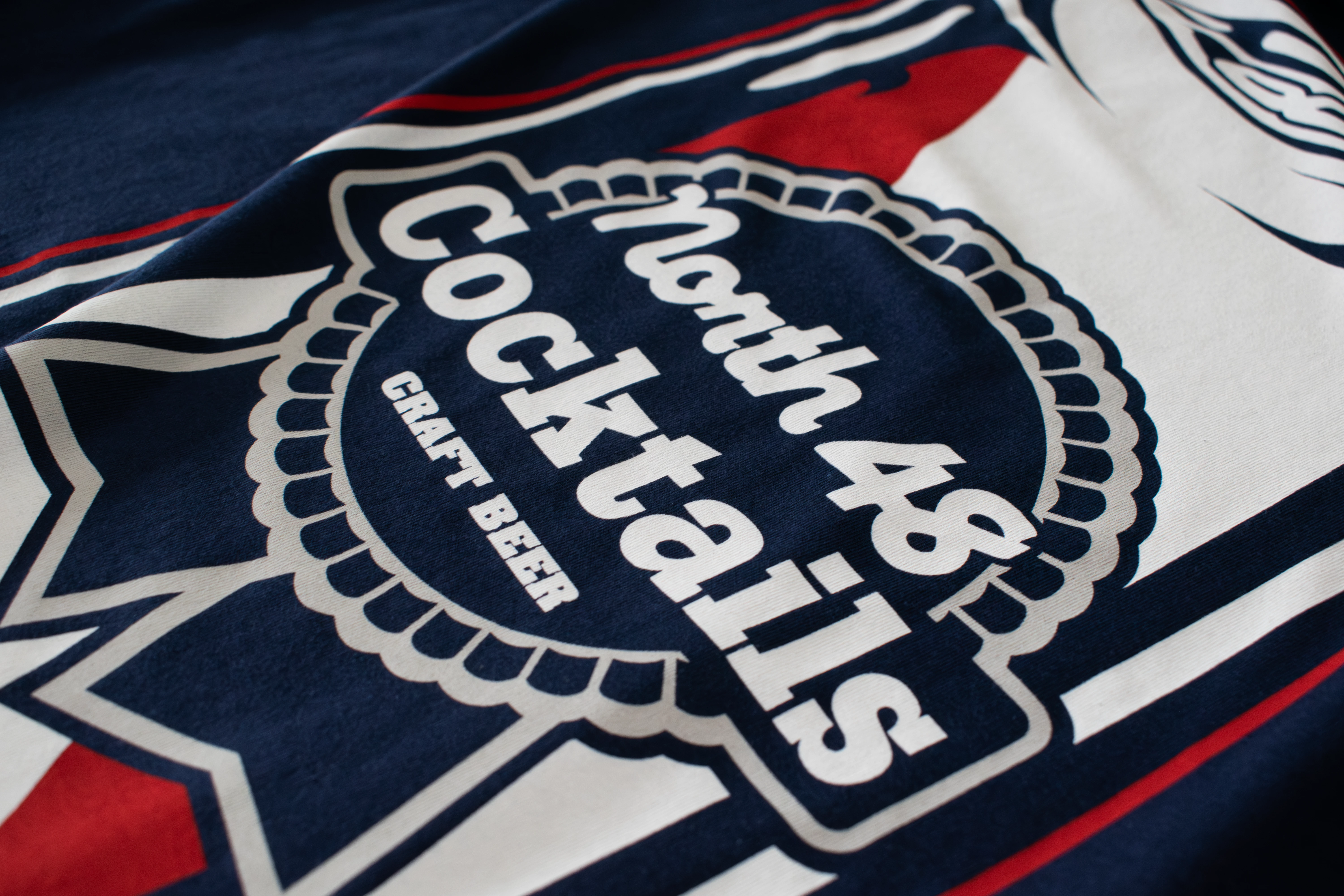
Choosing an ink type for your screen printing project isn't just about picking what feels softest or looks brightest. It's about understanding how ink chemistry interacts with fabric, how different inks age over time, and which trade-offs matter most for your specific application.
You've probably heard the oversimplified versions: "plastisol is durable but stiff," "water-based is soft and eco-friendly," and "discharge gives you that vintage vibe." But the reality of water based plastisol discharge ink selection is more nuanced than those quick soundbites suggest.
This guide breaks down the actual differences between these three major ink categories - not just surface-level characteristics, but the fundamental properties that determine when each one makes sense. We're talking about fabric compatibility, durability testing, color limitations, and real-world application scenarios that help you make informed decisions rather than just going with whatever sounds good.
Before we compare specific characteristics, let's establish what actually distinguishes these ink types at a chemical and application level.
The fundamental difference between plastisol, water-based, and discharge inks isn't just texture or appearance - it's how they interact with fabric fibers.
Plastisol inks sit on top of the fabric surface. They're made from PVC particles suspended in a plasticizer that fuses when heated. The ink creates a layer on the fabric rather than penetrating the fibers. This surface application is what gives plastisol its characteristic feel and opacity.
Water-based inks penetrate into the fabric fibers rather than sitting on top. The pigments are suspended in a water-based medium that soaks into the textile, becoming part of the fabric structure. This penetration is why water-based prints feel soft - you're touching fabric, not just ink.
Discharge inks work through a chemical reaction with the fabric dye. They remove (or "discharge") the existing color from the garment, then replace it with the design colors. You're not adding a layer of ink - you're chemically altering the fabric itself.
Understanding these fundamental differences explains why each ink type behaves the way it does in terms of feel, durability, and application limitations.
The printing process itself varies depending on ink type, which affects both capabilities and constraints.
Plastisol screen printing requires heat curing but is relatively forgiving in terms of application. The ink doesn't dry in the screens during printing, allowing for longer production runs without screens clogging.
Water based screen printing requires careful attention to timing because the ink begins drying as soon as it's exposed to air. Screens need regular attention during production to prevent clogging. The ink must fully penetrate the fabric and dry completely for durability.
Discharge screen printing involves both removing existing dye and adding new color, requiring specific chemistry and careful process control. The discharge agent activates at high temperatures, removing the garment's dye before the replacement color sets.
These process differences impact production efficiency, minimum order quantities, and overall feasibility for different project types.
Plastisol has been the dominant screen printing ink for decades, and there are solid reasons why it remains widely used despite newer alternatives.
Plastisol ink consists of PVC particles suspended in a liquid plasticizer. When heated, the plasticizer evaporates, and the PVC particles fuse together, creating a solid, durable film on the fabric surface.
This composition gives plastisol several distinctive characteristics. It's opaque, meaning it works equally well on light and dark fabrics. It's highly versatile, working on cotton, polyester, and blends without significant formulation changes. It's shelf-stable, maintaining consistent properties over long storage periods.
Color vibrancy and accuracy: Plastisol delivers bright, saturated colors with excellent consistency. The opacity means colors stay true regardless of the fabric color underneath. This makes plastisol the preferred choice for designs requiring specific brand colors or vivid graphics.
Fabric versatility: Plastisol works on virtually any fabric content - 100% cotton, polyester, poly-cotton blends, performance fabrics, and more. This versatility matters when you're printing the same design across multiple garment types.
Durability: When properly cured, plastisol creates extremely durable prints that withstand repeated washing and wearing. The prints resist cracking and fading better than many alternatives, which matters for products that need to last.
Production efficiency: Plastisol doesn't dry in screens, allowing for longer production runs without interruption. This efficiency translates to lower costs for larger quantities.
Proven consistency: Decades of industry use mean plastisol behaviors are well-understood. Color matching is predictable, curing times are standardized, and results are consistent across different production runs.
Hand feel on large prints: Plastisol sits on top of the fabric, creating a noticeable feel when you touch the print. For large, solid designs, this can feel heavy or stiff - particularly on lighter-weight garments. Modern plastisol printing techniques can minimize this effect, but it remains more noticeable than inks that penetrate the fabric.
Breathability: Because plastisol creates a layer on the fabric surface, it reduces breathability in the printed areas. For athletic wear or large prints on lightweight garments, this can affect comfort.
Environmental considerations: Plastisol is PVC-based, which raises environmental concerns for some brands and customers. While modern plastisol formulations have addressed many historical issues, the plastic-based composition remains a consideration for brands with sustainability messaging.
Plastisol excels in specific scenarios where its advantages outweigh its limitations.
Multi-color designs requiring precise color matching benefit from plastisol's opacity and color accuracy. When your design includes specific brand colors that must look identical across multiple garment colors, plastisol delivers consistency.
Designs on polyester or poly-blend fabrics require plastisol because water-based and discharge inks work poorly on synthetic materials. Performance wear, sports jerseys, and tech fabrics typically need plastisol.
High-color-count artwork, including photorealistic designs, works best with plastisol through simulated process screen printing techniques. The ink's opacity and color mixing capabilities enable accurate reproduction of complex images.
Designs requiring maximum durability - workwear, uniforms, frequently-washed items - benefit from plastisol's proven longevity.
Water-based inks offer a completely different approach to screen printing, with advantages that make them preferred for certain applications.
Water-based inks use water as the solvent carrier for pigments. During printing and curing, the water evaporates, leaving pigment particles embedded in the fabric fibers rather than on top of them.
This penetration creates the characteristic soft hand feel - when you touch a water-based print, you're feeling the fabric texture because the ink has become part of it rather than a separate layer.
The chemistry requires the ink to fully penetrate the fabric and dry completely for durability. This makes water-based printing more sensitive to fabric weight, weave density, and composition than plastisol.
Superior hand feel: The soft, barely-there texture of water-based prints is their defining characteristic. The print feels like part of the fabric because it is - you're touching fibers with pigment in them, not a layer of ink on top.
Breathability: Because water-based inks penetrate rather than coat the fabric, the natural breathability of the textile remains largely intact. This matters for comfort, especially with large print areas.
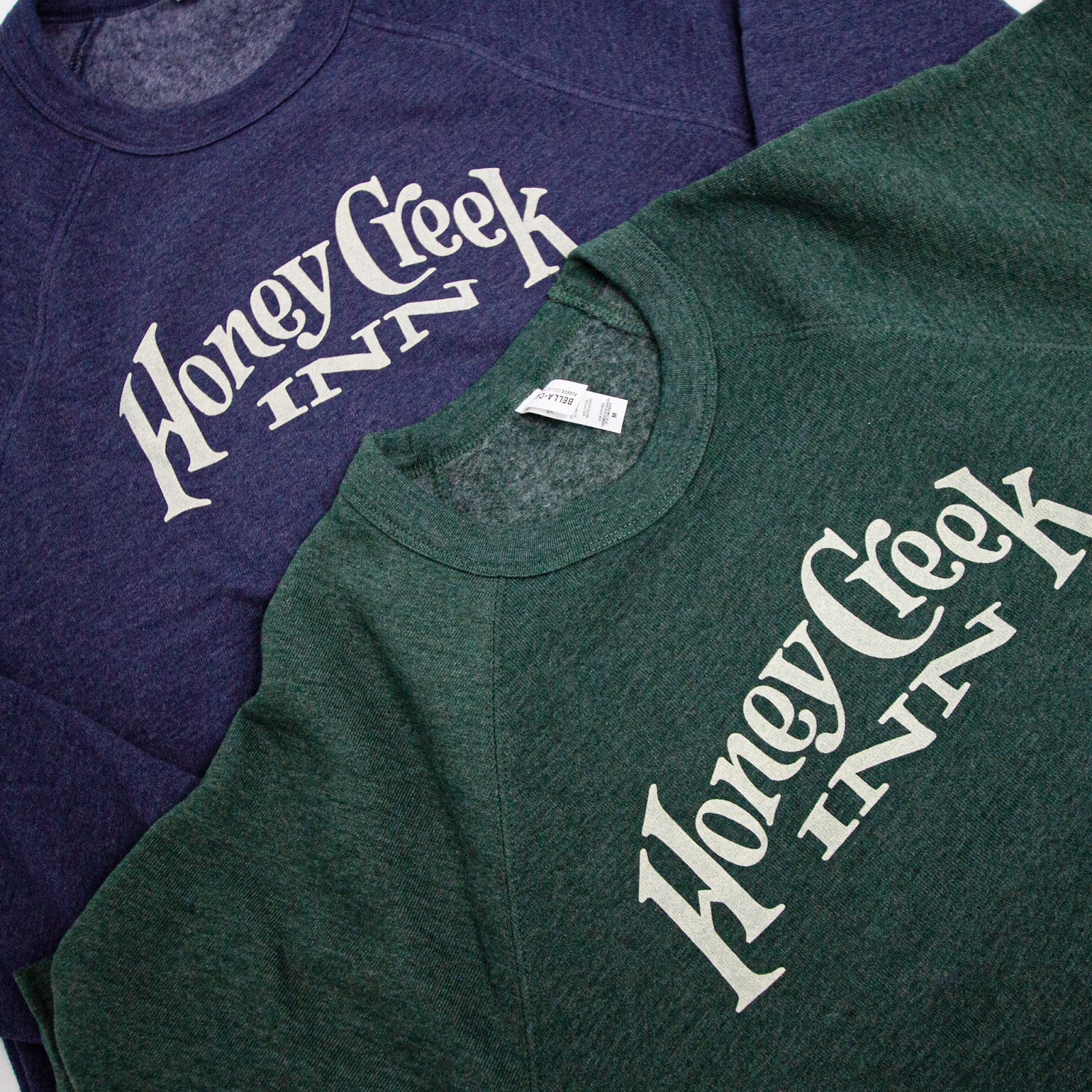
Vintage aesthetic: Water-based inks naturally create softer, more muted colors that many brands associate with vintage or heritage styling. The slightly faded appearance from day one appeals to certain brand aesthetics.
Detail capability: Water-based inks can reproduce fine detail effectively because they don't build up thickness the way plastisol does. Thin lines and intricate designs can print cleanly.
Appeal to eco-conscious customers: Water-based inks contain fewer plastics and harsh chemicals than plastisol, which resonates with environmentally-focused brand positioning. While not automatically "eco-friendly" in all formulations, they generally have a lower environmental impact.
Fabric restrictions: Water-based inks work best on 100% cotton or very high cotton-content blends. They struggle with polyester and synthetic fabrics, where the ink can't properly penetrate the fibers. This limits fabric choices significantly.
Color vibrancy on dark fabrics: Water-based inks are semi-translucent, so they struggle to show bright, vibrant colors on dark garments. The fabric color underneath affects how the ink appears, making consistent color matching across different garment colors challenging.
Durability variables: While properly cured water-based prints can be durable, they're generally less resilient than plastisol under heavy wear and washing. The prints can fade faster, especially if not cured correctly.
Production considerations: Water-based ink dries in screens during printing, requiring more active management during production runs. This can slow down printing and increase production complexity.
Color consistency: Achieving exact color matches is more challenging with water-based inks because the fabric affects the final appearance. The same ink on different colored garments produces noticeably different results.
Water-based inks shine in specific contexts where their characteristics align with project goals.
Light-colored, 100% cotton garments work perfectly with water-based printing. White, natural, cream, and light gray shirts show water-based colors beautifully while maximizing the soft hand feel advantage.
Brands emphasizing vintage, heritage, or worn-in aesthetics benefit from water-based inks' naturally softer, more muted appearance. If your brand positioning includes that authentic, lived-in feel, water-based delivers it from day one.
Premium positioning where hand feel matters more than color vibrancy makes water-based the right choice. Customers paying higher prices for apparel often expect superior comfort, and water-based printing delivers tactile quality.
Lightweight garments and fashion-forward pieces where comfort and breathability are priorities work better with water-based than plastisol, especially when print areas are large.
Discharge printing offers a unique approach that combines some advantages of both plastisol and water-based techniques while introducing its own specific requirements.
Discharge inks contain an activating agent that chemically removes the dye from colored fabrics. When heated to the correct temperature, this agent discharges (removes) the original garment color, creating a blank canvas. Simultaneously, replacement pigments are deposited, creating the desired design.
The result is a print that feels soft like water-based (because it's penetrating the fabric) but works on dark garments (because it removes the underlying color rather than trying to cover it).
This chemical process requires specific conditions: the right temperature, proper timing, and fabrics that respond predictably to discharge agents.
Soft hand on dark garments: Discharge delivers the soft, vintage feel of water-based printing on black, navy, and other dark colors where water-based inks would fail. This combination - dark fabrics with soft prints - is discharge's primary advantage.
Vintage, lived-in appearance: The discharge process creates naturally muted, slightly faded-looking prints that capture authentic vintage aesthetics. This worn-in appearance appeals to streetwear and fashion-forward brands.
Breathability maintained: Like water-based printing, discharge maintains fabric breathability because it's working within the fiber structure rather than coating the surface.
No white underbase needed: Traditional dark fabric printing often requires a white underbase layer before colors. Discharge eliminates this step by removing the dark color, simplifying the process for certain designs.
Fabric requirements: Discharge only works on 100% cotton or very high cotton content garments that have been dyed (not pigment colored). Polyester, poly-blends, and certain cotton treatments prevent discharge from working properly.
Color unpredictability: The discharge process removes dye, but how much and what color remains varies by garment color and dye composition. Royal blue, purple, and forest green garments can produce inconsistent results.
Limited color vibrancy: Discharge creates more muted, vintage-style colors rather than bright, saturated tones. If your design requires vivid, punchy colors, discharge won't deliver them.
Garment color restrictions: Not all colors discharge predictably or attractively. Some garment colors discharge to brown or gray tones rather than white, affecting how replacement colors appear.
Environmental considerations: Despite the "remove dye" process, discharge agents contain chemicals that require proper handling and disposal. The environmental profile is complex, rather than automatically better than alternatives.
Discharge excels in specific scenarios that align with its unique characteristics.
Dark garments requiring soft, comfortable prints benefit from discharge when the vintage aesthetic fits the brand positioning. Black, navy, and charcoal shirts that need that authentic, worn-in feel are ideal candidates.
Designs emphasizing understated, muted color palettes work beautifully with discharge. If your brand aesthetic leans toward subtle rather than bold, discharge enhances that positioning.
Vintage or heritage brand positioning aligns naturally with discharge printing's characteristic appearance. The naturally faded, lived-in look supports authentic vintage messaging.
100% cotton garments in discharge-friendly colors (black, navy, and dark heather), where a soft hand feel is non-negotiable, make discharge the logical choice.
Let's compare these three ink types across the factors that actually matter for decision-making.
Softest: Water-based and discharge tie for softest feel, both penetrating the fabric rather than coating it.
Most noticeable: Plastisol creates the most noticeable hand feel, especially on large solid prints, though modern techniques can minimize this.
Breathability: Water-based and discharge maintain fabric breathability better than plastisol's surface coating.
Most durable: Plastisol delivers the longest-lasting prints with proper curing, resisting fading and cracking better than alternatives.
Variable durability: Water-based durability depends heavily on proper curing and fabric compatibility - can be durable but less consistent than plastisol.
Good with caveats: Discharge is durable on compatible fabrics but can fade faster than plastisol, especially if aggressively washed.
Most vibrant: Plastisol produces the brightest, most saturated colors with consistent matching across garment colors.
Muted but authentic: Water-based and discharge inks create softer, more subtle colors that appeal to vintage aesthetics but lack plastisol's punch.
Best on light fabrics: Water-based shows colors best on light garments; discharge and plastisol handle dark fabrics better.
Most versatile: Plastisol works on cotton, polyester, blends, and synthetic fabrics without formulation changes.
Cotton-dependent: Water-based and discharge both require 100% cotton or very high cotton content for proper performance.
Specific requirements: Discharge additionally requires garments to be dyed (not pigment treated) and responds differently to different dye colors.
Complex profile: All three inks have environmental considerations. Water-based products contain fewer plastics but aren't automatically "green." Plastisol is PVC-based. Discharge uses chemical agents for dye removal.
No clear winner: Environmental impact depends on specific formulations, production processes, and disposal methods rather than the ink category alone.
Most efficient: Plastisol allows the longest production runs without screen cleaning, reducing production time and cost.
More intensive: Water-based requires screen cleaning during production to prevent drying; discharge needs careful process control for consistent results.
Minimum impacts: Complex ink processes may affect minimum order quantities and production timelines.
Use this framework to match ink types to your specific project requirements.
Polyester or poly-blends: Plastisol is your only reliable option. Water-based and discharge inks don't work properly on synthetic fabrics.
100% cotton, light colors: All three inks work, so move to other decision factors.
100% cotton, dark colors: Plastisol or discharge work well; water-based struggles without a white underbase.
Bright, vibrant colors: Plastisol delivers the saturation and consistency you need.
Vintage, soft, muted tones: Water-based or discharge creates this aesthetic naturally.
Brand color accuracy: Plastisol offers the most predictable color matching across different garments.
Soft hand is non-negotiable: Water-based (light garments) or discharge (dark garments) are your options.
Durability trumps softness: Plastisol offers the best longevity, especially for frequently-washed items.
Balance both factors: Hybrid printing combines a discharge underbase with plastisol top colors for a soft feel and vibrant colors.
White, natural, light colors: Water-based shines; plastisol also works well; discharge is unnecessary.
Black, navy, and dark heather: Discharge (for soft hand) or plastisol (for durability and vibrancy) are both viable.
Royal blue, purple, and forest green: Plastisol is more reliable; discharge can produce inconsistent results on these colors.
Plastisol typically offers the most cost-effective production for larger quantities due to production efficiency. Water-based and discharge may have slightly higher per-unit costs due to more intensive production requirements.
Let's apply this framework to common screen printing scenarios.
Requirements: Soft hand feel, vintage aesthetic, dark garments, 100% cotton.
Best choice: Discharge printing delivers the soft, worn-in feel that streetwear customers expect while working beautifully on black garments.
Alternative: Hybrid printing if some design elements need brighter colors than discharge alone provides.
Requirements: Polyester or poly-blend garments, durability, and breathability where possible.
Best choice: Plastisol is the only reliable option for synthetic fabrics. Modern plastisol techniques can minimize hand feel impact.
Consideration: Keep print areas reasonable on lightweight performance fabrics to maintain breathability where possible.
Requirements: Light-colored garments, soft hand priority, premium feel, natural aesthetic.
Best choice: Water-based printing on 100% cotton creates the soft, barely-there feel that premium customers expect.
Consideration: Stick with light garment colors to show water-based colors properly.
Requirements: Frequent washing, rough use, color consistency, and multiple fabric types.
Best choice: Plastisol delivers proven durability and works across cotton and cotton-poly blend workwear fabrics.
Consideration: Durability testing shows plastisol holds up better than alternatives under aggressive washing conditions.
Requirements: Environmental considerations, soft hand, natural materials, brand alignment.
Best choice: Water-based ink on organic cotton aligns with sustainability messaging while delivering the soft feel eco-conscious customers expect.
Consideration: Don't oversimplify environmental claims - focus on overall impact rather than assuming water-based automatically means "eco-friendly."
Let's address some frequent misunderstandings that lead to poor ink selection decisions.
Water-based inks generally contain fewer plastics than plastisol, but environmental impact depends on specific formulations, water usage during production, and disposal methods. Some water-based inks still contain chemicals that require proper handling. The "eco-friendly" claim requires looking at the complete production and disposal cycle, not just the ink base.
Modern plastisol printing techniques can create soft-hand prints when done properly. The thickness and feel depend on application technique, screen mesh, and ink formulation more than the fact that it's plastisol. Quality printers can achieve surprisingly soft plastisol prints.
Discharge requires specific fabric conditions: 100% cotton (or very high cotton content), dyed rather than pigment-colored, and dye compositions that respond predictably to discharge agents. Many dark garments don't meet these criteria, making discharge unreliable or impossible.
Properly cured water-based prints on appropriate fabrics can be quite durable. The durability issues arise from improper curing, inappropriate fabric choices, or comparing apples to oranges scenarios. Water-based on 100% cotton with proper curing holds up well for most applications.
Hybrid printing techniques combine discharge underbase with plastisol top colors, delivering both soft hand feel and vibrant colors. This approach proves you can blend ink technologies to get optimal results for specific designs.
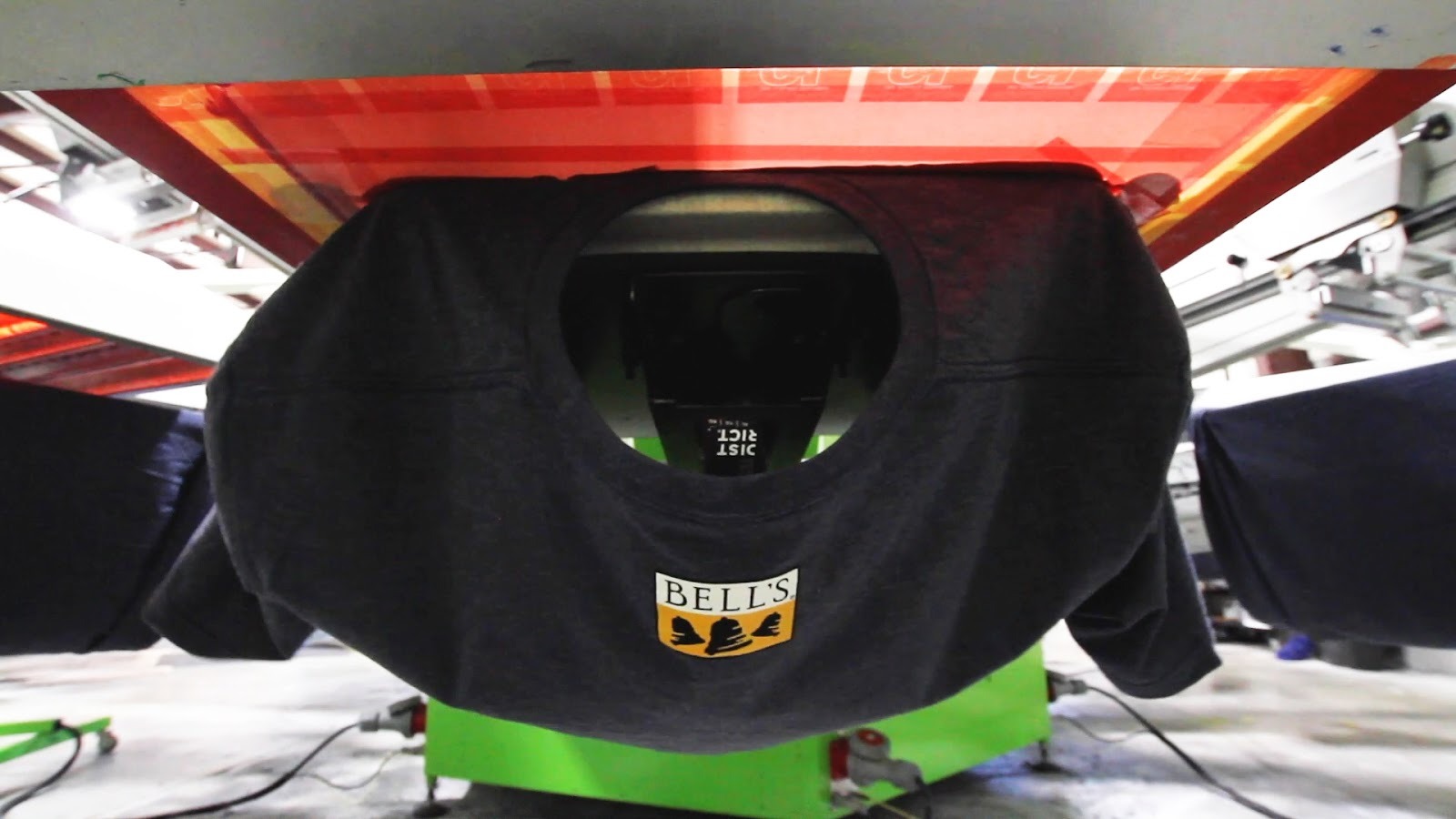
Successfully implementing the right ink type requires clear communication with your screen printing services provider.
Tell your printer what matters most: hand feel, color vibrancy, durability, and specific aesthetic goals. Don't assume they'll know which factors to prioritize without guidance.
Share the exact garment specs: fiber content, color, brand, and treatment. Discharge particularly requires detailed garment information to assess feasibility.
For first-time projects or new ink types, samples help ensure the result matches expectations. Seeing and feeling actual prints beats theoretical discussions.
Experienced printers can suggest ink alternatives you might not have considered. If your preferred ink won't work for technical reasons, trust their expertise in finding viable alternatives.
Understanding water based plastisol discharge ink options empowers you to make informed decisions that align with your brand aesthetic, performance requirements, and budget. Each ink type offers legitimate advantages in specific contexts - the key is matching those advantages to your actual project needs.
Want expert recommendations on the best ink type for your specific project? Our production team can evaluate your design and fabric choices - get started with a custom quote today or reach out with questions about your specific requirements.
Water-based inks don't work reliably on polyester or high-polyester-content blends because they can't properly penetrate synthetic fibers. The ink needs to soak into the fabric structure for proper adhesion and durability, which polyester prevents. For polyester garments, plastisol screen printing is the proven option that delivers consistent results. If you're working with poly-cotton blends, plastisol remains the safer choice, though water-based might work on blends with very high cotton content. Always check with your printer about specific fabric compositions before committing to water-based printing on anything other than 100% cotton.
Discharge printing works through a chemical reaction with garment dye, requiring specific conditions to succeed. The fabric must be 100% cotton or very high in cotton content because synthetic fibers don't respond to discharge agents. The garment must use reactive dyes rather than pigment coloring, as pigments don't discharge properly. Different dye colors respond differently - black and navy typically discharge well to a light cream color, while royal blue, purple, and forest green can produce unpredictable or unattractive results. Some garment manufacturers use discharge-resistant treatments that prevent the process from working. Because of these variables, not all dark shirts are suitable discharge candidates even if they look appropriate.
Plastisol is actually the most durable screen printing ink option when properly cured. Properly cured plastisol prints withstand repeated washing and wearing better than water-based or discharge alternatives, resisting fading, cracking, and peeling effectively. The misconception about plastisol durability likely comes from comparing improperly cured plastisol to other inks or from quality issues with cheap plastisol formulations. When comparing apples-to-apples - properly cured, quality inks across all three types - plastisol demonstrates superior longevity for most applications. This durability makes plastisol the preferred choice for workwear, uniforms, and any application where prints need to survive aggressive washing and frequent wear.
Yes, hybrid printing combines different ink types in a single design to leverage the advantages of each. The most common approach uses discharge underbase to remove garment color and create a soft foundation, then prints plastisol colors on top to achieve vibrant, accurate colors while maintaining a relatively soft hand feel. This technique works well for complex designs on dark garments where you want both softness and color vibrancy. However, not all ink combinations work together, and hybrid approaches require printers with expertise in managing multiple ink systems. The technique typically works best on 100% cotton dark garments, where both discharge and plastisol perform well individually.
Start by evaluating your garment fabric content - polyester requires plastisol, while 100% cotton opens up all options. Consider whether your brand aesthetic leans toward bright and vibrant (plastisol) or vintage and muted (water-based or discharge). Think about your target customer's priorities - premium customers often prefer soft-hand water-based on light garments, while durability-focused customers appreciate plastisol's longevity. Factor in whether you're printing on light or dark garments, as this significantly affects ink viability. Most importantly, communicate your priorities to your production partner - experienced screen printing services can recommend the best approach based on your specific combination of design, fabric, aesthetic goals, and performance requirements.

